
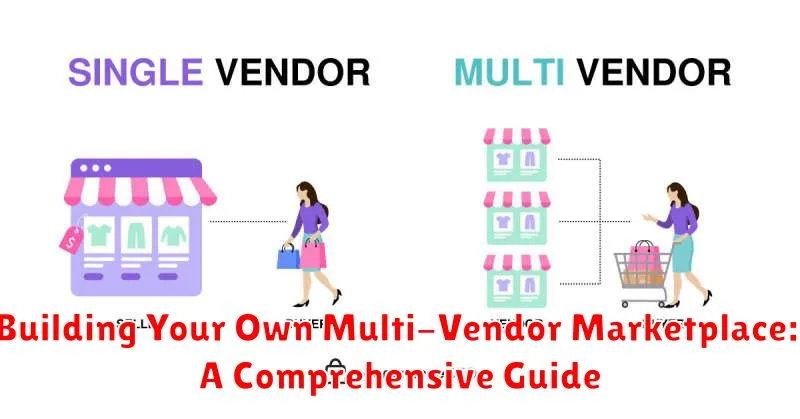
Launching a successful online business can be challenging, but creating a thriving multi-vendor marketplace presents a particularly unique opportunity. This comprehensive guide provides a roadmap for building your own multi-vendor marketplace, addressing key aspects from conceptualization and development to marketing and ongoing maintenance. Whether you envision a platform for physical goods, digital products, or services, this guide offers valuable insights into establishing a robust and profitable online marketplace. Learn how to connect buyers and sellers, manage transactions, and cultivate a vibrant community within your own e-commerce ecosystem.
Building a multi-vendor marketplace requires careful planning and execution. This guide outlines the essential steps involved in developing a successful platform, encompassing crucial elements such as choosing the right marketplace platform, defining your niche market, attracting both vendors and customers, implementing secure payment gateways, and ensuring legal compliance. By following these guidelines, you can transform your vision of a bustling online marketplace into a tangible reality, maximizing your potential for growth and revenue within the dynamic e-commerce landscape.
Understanding the Multi-Vendor Marketplace Model
A multi-vendor marketplace is an e-commerce platform where multiple third-party sellers list and sell their products or services. It acts as a central hub connecting buyers with a diverse range of vendors, offering a wider selection than a traditional single-vendor online store.
The marketplace operator, often referred to as the platform owner, doesn’t typically own the inventory. Their primary role is to facilitate transactions, manage the platform, and ensure a positive experience for both buyers and sellers.
The revenue model for a multi-vendor marketplace commonly involves charging vendors commissions on sales, subscription fees for access to the platform, or a combination of both. This allows the marketplace owner to generate revenue while providing sellers with a ready-made customer base and infrastructure.
Key players in this model include:
- The marketplace operator (platform owner)
- Third-party sellers/vendors
- Customers/buyers
Benefits of Running a Multi-Vendor Marketplace
Operating a multi-vendor marketplace offers numerous advantages over traditional e-commerce models. A key benefit is scalability. By hosting multiple vendors, you can expand your product offerings significantly without needing to manage inventory or fulfillment directly. This allows for rapid growth and a wider reach.
Another compelling advantage is the reduced financial burden. Instead of investing heavily in product development and procurement, the vendors bear those costs. Your focus shifts to platform management and marketing, leading to potentially higher profit margins.
Increased customer traffic is another significant benefit. A diverse product catalog attracts a broader customer base, increasing the overall traffic to your platform. This increased visibility benefits both you and your vendors.
Finally, multi-vendor marketplaces offer built-in redundancy. If one vendor is unable to fulfill orders, others can step in, ensuring customer needs are met and maintaining business continuity.
Key Features of a Successful Multi-Vendor Marketplace Platform
A thriving multi-vendor marketplace hinges on a robust platform with features catering to both vendors and customers. Vendor management capabilities are crucial, allowing for easy onboarding, product listing, and order fulfillment. This includes individual vendor dashboards for performance tracking and sales analysis.
Streamlined product catalogs are essential for easy navigation and product discovery. Robust search and filtering options help customers find what they need quickly. Secure payment gateways are non-negotiable, ensuring safe transactions for all parties involved. Multiple payment options and integrated payment processing are key features to consider.
Effective communication tools, such as in-platform messaging or integrated chat, facilitate smooth interactions between vendors and customers. Finally, a scalable platform architecture is crucial for accommodating growth and increasing traffic without compromising performance.
Choosing the Right Platform for Your Multi-Vendor Marketplace
Selecting the right platform is crucial for the success of your multi-vendor marketplace. The platform will determine the functionality, scalability, and overall user experience.
Consider these key factors when making your decision:
- Budget: Platforms range from free, open-source options to premium, enterprise-level solutions. Establish your budget early in the process.
- Scalability: Ensure the platform can handle future growth in vendors and customers.
- Customization: Evaluate the level of customization available to tailor the platform to your specific needs.
- Features: Prioritize essential features like vendor management, product catalogs, payment gateways, and order fulfillment.
- User Experience: A user-friendly interface is vital for both vendors and customers. Look for intuitive navigation and a clean design.
Evaluate both SaaS (Software as a Service) and open-source solutions. SaaS platforms offer convenience and faster setup, while open-source platforms provide greater control and flexibility, but require technical expertise.
Essential Steps to Build Your Multi-Vendor Marketplace
Building a successful multi-vendor marketplace requires careful planning and execution. Follow these essential steps to get started:
1. Define Your Niche: Clearly identify the specific market you’ll be serving. A focused niche helps attract both vendors and customers.
2. Choose Your Business Model: Determine how you will generate revenue. Popular models include commissions, subscription fees, or a combination of both.
3. Select Your Platform: Opt for a platform that offers the necessary features and scalability for your marketplace. Consider factors like vendor management, payment processing, and security.
4. Recruit Vendors: Attract quality vendors who align with your niche and offer valuable products or services. Offer incentives and support to encourage participation.
5. Design and Customize: Create a user-friendly and visually appealing marketplace that reflects your brand. Ensure easy navigation and a smooth checkout process.
6. Implement Marketing Strategies: Promote your marketplace to reach your target audience. Utilize social media marketing, search engine optimization, and other relevant channels.
7. Monitor and Iterate: Continuously track key metrics, gather feedback, and make adjustments to improve performance and user experience.
Strategies for Attracting Vendors and Customers

Attracting both vendors and customers is crucial for a successful multi-vendor marketplace. A balanced approach is needed to build a thriving ecosystem.
Attracting Vendors
Competitive commission rates are essential. Research your competitors to understand the market standard. Offer incentives like featured listings or promotional opportunities, especially for early adopters. Streamlined onboarding makes it easy for vendors to join your platform. Provide valuable resources such as marketing materials, training, or analytics dashboards to support their success.
Attracting Customers
Focus on building trust and security by clearly outlining buyer protection policies and secure payment methods. Offer a wide product selection to cater to diverse customer needs. Implement a robust search and filtering system for a user-friendly shopping experience. Targeted marketing campaigns and promotions can attract specific customer segments. Encourage customer reviews and testimonials to build social proof and attract new buyers.
Monetization Strategies for Your Multi-Vendor Marketplace
Monetizing your multi-vendor marketplace effectively is crucial for long-term success. Several strategies can be implemented to generate revenue.
Commission Fees
Charging a commission on each sale is a common and effective method. The commission percentage can be fixed or vary based on product category or vendor tier.
Subscription Fees
Vendors can be charged a recurring subscription fee for access to your platform. This model provides a stable revenue stream and incentivizes vendor commitment.
Listing Fees
Charging listing fees, especially for premium placement or additional features, can generate substantial income. This is particularly effective for marketplaces with a high volume of listings.
Featured Listings/Advertisements
Offer featured listings or advertising space to vendors willing to pay for increased visibility. This allows vendors to promote specific products or their entire store.
Managing Operations and Logistics in a Multi-Vendor Marketplace
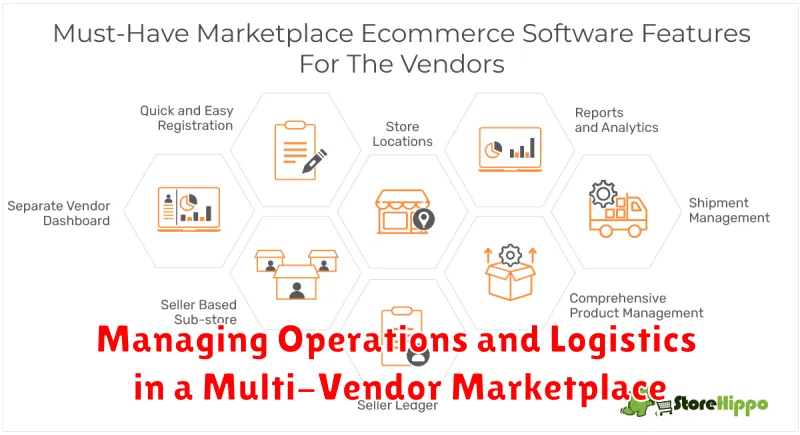
Efficient operations and logistics are crucial for a successful multi-vendor marketplace. This involves coordinating various processes, including order fulfillment, shipping, and inventory management, across multiple vendors.
Order Fulfillment: Establish clear guidelines for order processing, packaging, and shipping. Consider offering various fulfillment options, such as vendor-fulfilled or marketplace-fulfilled, depending on your platform’s capabilities.
Shipping: Streamlined shipping processes are essential. Negotiate competitive shipping rates with carriers or explore integrated shipping solutions. Provide tracking information to customers for transparency and a positive buying experience.
Inventory Management: Real-time inventory visibility is key. Implement a system that allows vendors to update their inventory levels automatically. This helps prevent overselling and ensures accurate product availability information for customers.
Returns and Refunds: Establish clear policies for returns and refunds, outlining responsibilities for both vendors and the marketplace. A well-defined process minimizes disputes and maintains customer satisfaction.
Customer Support: Provide efficient customer support channels to address queries and resolve issues promptly. This may involve handling inquiries related to orders, shipping, returns, and other marketplace-related concerns.
Legal and Regulatory Considerations for Multi-Vendor Marketplaces
Navigating the legal landscape is crucial for a successful multi-vendor marketplace. Compliance with relevant laws and regulations protects both the platform and its participants.
Product Liability is a key concern. Clearly define the responsibilities of vendors regarding product safety and compliance. Contracts should outline these obligations and protect the marketplace from liability stemming from vendor negligence.
Data privacy is paramount. Implement robust data protection measures to safeguard user information. Comply with regulations like GDPR and CCPA, ensuring transparency in data collection and usage practices. Clearly articulate your data privacy policy to both vendors and customers.
Payment processing requires adherence to financial regulations. Partner with reputable payment gateways that ensure secure transactions and comply with Know Your Customer (KYC) and Anti-Money Laundering (AML) regulations.
Intellectual property rights must be protected. Implement mechanisms to address copyright and trademark infringement. Establish clear procedures for handling disputes and take down notices.
Consulting with legal counsel specializing in e-commerce and marketplace regulations is strongly recommended to ensure full compliance and mitigate potential risks.
