
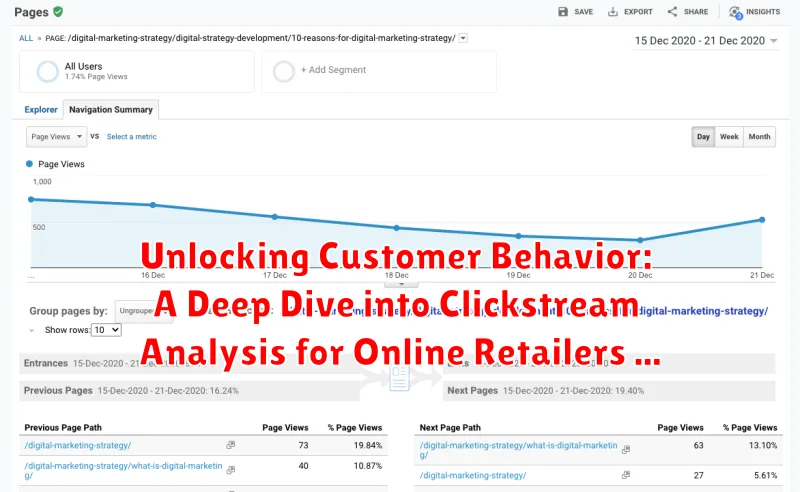
In today’s competitive e-commerce landscape, understanding customer behavior is paramount to success. Clickstream analysis offers online retailers a powerful tool to unlock these crucial insights. By meticulously examining the digital footprints customers leave behind as they navigate websites and apps, businesses can gain a granular understanding of their customer journey. This data-driven approach allows retailers to optimize their online platforms, personalize the shopping experience, and ultimately boost conversions. This article will provide a deep dive into the world of clickstream analysis, exploring its benefits and offering practical applications for online retailers looking to gain a competitive edge.
From initial website visits to final purchases, clickstream data captures a wealth of information about how customers interact with an online store. This data can be leveraged to identify pain points in the customer journey, optimize product placement and recommendations, and tailor marketing campaigns for maximum effectiveness. Unlocking the power of clickstream analysis is essential for any online retailer seeking to improve customer engagement, increase sales, and enhance their overall online strategy. This article will delve into the methodologies and techniques involved in harnessing this valuable data, empowering online retailers to make informed decisions and thrive in the digital marketplace.
Understanding Clickstream Data
Clickstream data represents the digital footprints customers leave while navigating an online store. This data captures every interaction, from page views and product clicks to adding items to a cart and completing a purchase. Think of it as a virtual breadcrumb trail revealing how users engage with your website.
This data is typically collected through various methods, including server logs, website cookies, and JavaScript tags. These tools track and record user actions, compiling a comprehensive dataset of browsing behavior. Analyzing this data provides valuable insight into customer preferences, pain points, and purchase patterns.
Various data points are captured within clickstream data, offering a granular view of customer behavior. Some key elements include:
- Page Views: Which pages are visited and how long users stay on them.
- Product Views: Which products grab attention and are examined in detail.
- Add-to-Cart Actions: Which items are considered for purchase.
- Transaction Data: Completed purchases, including order value and payment method.
- Navigation Path: The sequence of pages visited during a session.
Benefits of Clickstream Analysis for Retailers
Clickstream analysis offers a wealth of advantages for online retailers looking to optimize their websites and marketing strategies. By understanding customer browsing patterns, retailers can make data-driven decisions to improve the overall shopping experience and boost sales.
A key benefit is enhanced customer understanding. Analyzing clickstream data reveals what products customers are interested in, how they navigate the website, and where they drop off in the purchase funnel. This allows for personalized recommendations and targeted marketing campaigns, increasing conversion rates.
Improved website optimization is another crucial benefit. Identifying pain points in the customer journey, such as complex navigation or slow loading times, allows retailers to streamline the website for a smoother and more enjoyable shopping experience. This can lead to reduced bounce rates and increased customer retention.
Finally, clickstream analysis can inform strategic pricing decisions. By observing how customers react to different price points, retailers can optimize pricing strategies to maximize revenue and profitability. This data-driven approach can provide a competitive advantage in the market.
How Clickstream Analysis Works
Clickstream analysis involves collecting, analyzing, and interpreting the digital footprints left by users as they navigate a website or app. This process begins with data collection. Various technologies, such as web server logs, JavaScript tagging, and cookies, capture user interactions, including page views, clicks, mouse movements, and form submissions.
Next, the collected data undergoes data processing. This stage focuses on cleaning and organizing the raw data into a usable format. Data transformation techniques, such as aggregation and segmentation, are applied to prepare the data for analysis.
Finally, the processed data is analyzed using various techniques, including statistical modeling, machine learning, and data mining. These methods help uncover patterns, trends, and anomalies in user behavior, providing valuable insights for retailers.
Implementing Clickstream Analysis: Tools and Techniques
Implementing clickstream analysis requires a combination of the right tools and effective techniques. Selecting appropriate tools is crucial for collecting, processing, and analyzing the data.
Tools for Clickstream Analysis
Several tools are available for clickstream analysis, ranging from open-source solutions to enterprise-grade platforms. Web analytics platforms like Google Analytics provide basic clickstream data. For more advanced analysis, specialized tools like Adobe Analytics or Mixpanel offer more sophisticated features, including segmentation and cohort analysis. Data management platforms (DMPs) can integrate clickstream data with other data sources to create a more comprehensive customer view. Choosing the right tool depends on the specific needs and resources of the retailer.
Techniques for Effective Analysis
Effective clickstream analysis involves employing various techniques to extract meaningful insights. Segmentation helps group customers based on shared behaviors. Cohort analysis tracks the behavior of specific customer groups over time. Path analysis visualizes common customer journeys on the website. Applying these techniques can reveal valuable patterns in customer behavior.
Common Use Cases of Clickstream Analysis in Retail
Clickstream analysis provides valuable insights into customer behavior, enabling online retailers to optimize their websites and marketing strategies. Here are some common applications:
Personalized Recommendations
By analyzing browsing history and purchase patterns, retailers can offer personalized product recommendations, increasing the likelihood of conversions and boosting sales. This targeted approach enhances the customer experience by presenting relevant items.
Website Optimization
Identifying pain points in the customer journey, such as high bounce rates on specific pages or abandoned carts, allows retailers to improve website navigation and streamline the checkout process. This optimization leads to a more seamless and user-friendly experience.
Targeted Marketing Campaigns
Clickstream data informs targeted advertising campaigns by revealing customer preferences and interests. This allows retailers to deliver relevant ads to the right audience, maximizing campaign effectiveness and return on investment.
Inventory Management
Analyzing product popularity and seasonal trends based on clickstream data allows retailers to optimize inventory levels. This prevents overstocking or stockouts, ensuring that products are available when and where customers want them.
Best Practices for Effective Clickstream Analysis
Implementing clickstream analysis effectively requires careful planning and execution. Data quality is paramount. Ensure accurate data collection by implementing robust tracking mechanisms and minimizing data loss. Data cleansing is crucial to remove irrelevant data points and outliers that can skew analysis.
Segmentation is key to understanding specific customer behaviors. Divide customers into meaningful groups based on demographics, purchase history, or browsing patterns. This allows for targeted analysis and personalized insights. Clearly defined objectives drive effective analysis. Establish specific goals before starting any clickstream analysis project. These goals will guide the analysis and ensure relevant results.
Choosing the right tools is essential. Select analytics platforms that offer the necessary features for data processing, visualization, and reporting. Finally, continuous monitoring and iteration are crucial. Regularly review and refine analysis strategies based on findings and evolving customer behavior.
Clickstream Analysis and Customer Journey Optimization
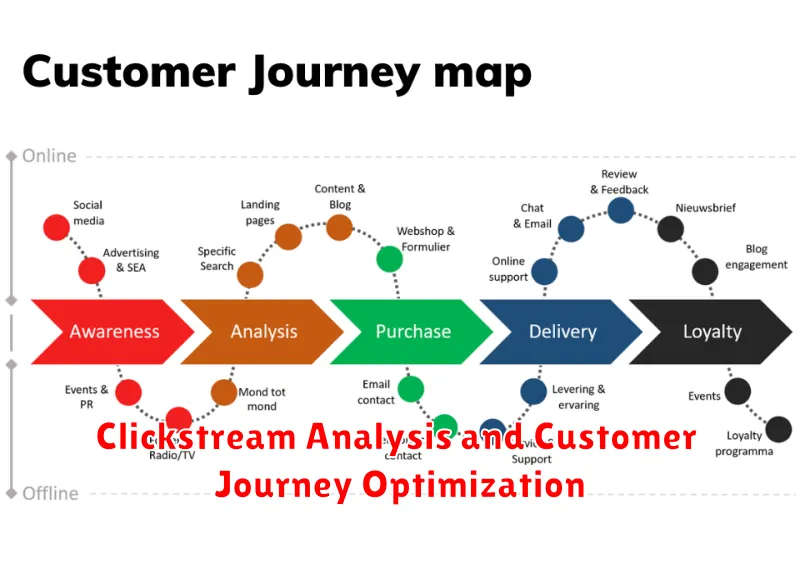
Clickstream analysis provides invaluable insights into customer behavior, enabling online retailers to optimize the customer journey effectively. By understanding how users navigate a website, retailers can identify pain points, streamline processes, and personalize the shopping experience.
Analyzing clickstream data helps pinpoint areas of friction in the customer journey. For example, a high bounce rate on a specific product page might suggest issues with product information, page loading speed, or confusing navigation. Addressing these issues can directly improve conversion rates.
Furthermore, clickstream analysis allows retailers to tailor the customer journey to individual preferences. By tracking browsing history and purchase patterns, retailers can provide personalized product recommendations, targeted promotions, and customized content, thus enhancing customer engagement and driving sales.
Future Trends in Clickstream Analysis
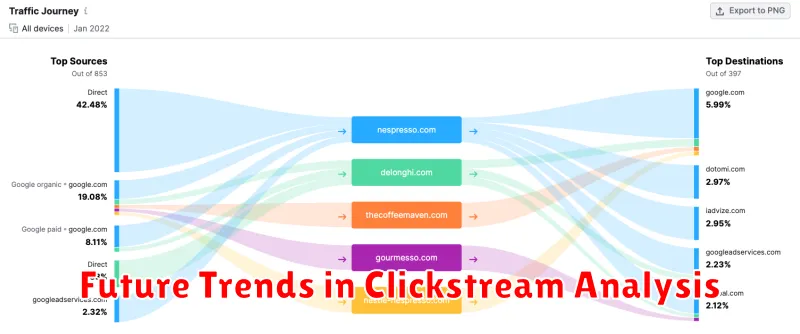
The future of clickstream analysis promises even more sophisticated insights into customer behavior. Artificial intelligence (AI) and machine learning (ML) will play a pivotal role, automating analysis and enabling predictive modeling of customer journeys. This will allow retailers to anticipate customer needs and proactively personalize experiences.
Real-time analysis will become increasingly crucial. The ability to process and react to clickstream data in real-time allows for immediate adjustments to website content, promotions, and even customer service interactions. This dynamic optimization can significantly improve conversion rates and customer satisfaction.
Cross-device tracking will gain further prominence. As customers seamlessly switch between devices, clickstream analysis will need to integrate data from multiple touchpoints to provide a holistic view of their journey. This will provide a more accurate understanding of individual customer behavior.
