
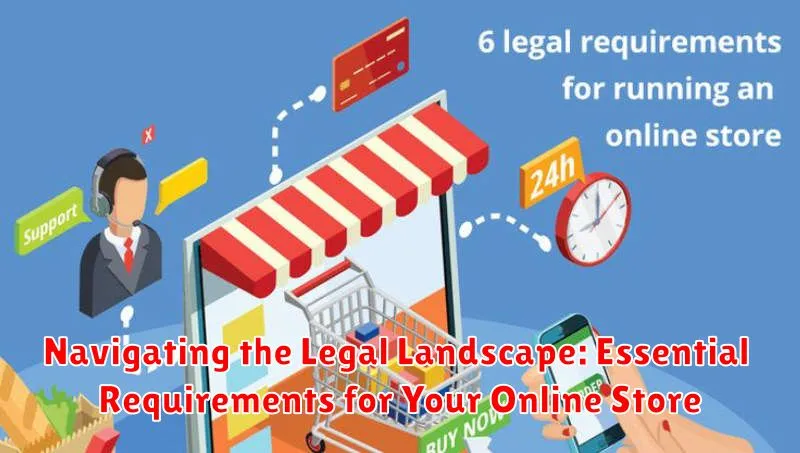
Launching an online store opens exciting opportunities in today’s digital marketplace. However, navigating the legal landscape is crucial for long-term success and avoiding potential pitfalls. Understanding the essential legal requirements for your online store, from data privacy and consumer protection to intellectual property and taxes, can be complex. This article provides a comprehensive guide to the key legal considerations for your online business, helping you ensure compliance and build a sustainable and thriving online presence.
Whether you are selling physical products, digital goods, or services, adhering to specific regulations is paramount. From establishing clear terms and conditions to obtaining the necessary licenses and permits, neglecting these legal requirements can lead to significant consequences. This guide will address essential areas such as online contracts, payment processing regulations, and international trade laws, empowering you to confidently navigate the legal complexities of running a successful online store.
Understanding the Importance of Legal Compliance for E-Commerce
In today’s digital marketplace, legal compliance is not just a formality—it’s a critical aspect of running a successful online store. Failing to adhere to legal regulations can lead to severe consequences, including hefty fines, legal battles, and reputational damage that can cripple your business.
Legal compliance builds trust with your customers. When shoppers see that you prioritize data protection and operate transparently, they are more likely to feel comfortable making purchases and sharing their information.
Furthermore, adhering to legal standards provides a competitive advantage. It demonstrates professionalism and a commitment to ethical business practices, setting you apart from competitors who may be cutting corners. By proactively addressing legal requirements, you create a sustainable business model that can withstand scrutiny and adapt to evolving regulations.
Finally, legal compliance mitigates risks. By understanding and implementing the necessary legal safeguards, you reduce the likelihood of lawsuits, penalties, and security breaches that can disrupt operations and incur significant costs. This proactive approach protects your business’s bottom line and its long-term viability.
Key Legal Requirements for Online Stores in the US
Operating a compliant online store requires adherence to several key legal requirements. Business formation is the first step, involving choosing a structure like a sole proprietorship, LLC, or corporation. Each structure has different legal and tax implications.
Consumer protection laws are crucial. These regulations govern areas like refunds, returns, and warranties. Clearly stating your policies on your website is essential for transparency and avoiding legal issues.
Advertising and marketing practices must comply with truth-in-advertising laws. Avoid deceptive claims and ensure promotions are accurate. Furthermore, specific regulations apply to email marketing, requiring opt-out options for recipients.
Intellectual property rights, including trademarks and copyrights, protect your brand and content. Registering your trademarks prevents others from using similar branding. Respecting copyright laws is equally crucial, ensuring you’re not infringing on others’ creative work.
Data Privacy and Security Regulations: Protecting Customer Information
Protecting customer data is paramount in e-commerce. Data breaches can severely damage your reputation and lead to significant financial penalties. Understanding and complying with relevant data privacy regulations is crucial for maintaining customer trust and avoiding legal repercussions.
Key regulations include the California Consumer Privacy Act (CCPA) and the California Privacy Rights Act (CPRA), which grant California residents substantial control over their personal information. While these are California-specific, they influence data privacy standards nationwide.
Your online store must have a clear and accessible privacy policy outlining how you collect, use, and protect customer data. This policy should be readily available on your website. Security measures are also essential. Implementing strong passwords, encryption, and two-factor authentication safeguards sensitive information against unauthorized access.
Regularly assessing your security practices and staying informed about evolving data privacy laws are crucial steps in maintaining a secure online environment for your customers.
Navigating Sales Tax and Other Tax Obligations
Sales tax presents a complex challenge for online businesses. Nexus, the connection between a business and a state requiring sales tax collection, is established through physical presence (like a warehouse) or economic activity exceeding certain thresholds. Understanding your nexus obligations in various states is crucial.
Determining the correct sales tax rate is also vital, as rates vary by jurisdiction and product type. Software solutions can automate sales tax calculations and filing, simplifying this process. Failing to collect and remit the correct sales tax can lead to penalties and interest.
Beyond sales tax, online businesses must consider income tax obligations at the federal, state, and potentially local levels. Proper record-keeping is essential for tracking income and expenses accurately. Consulting with a tax professional can help navigate these complexities and ensure compliance.
Ensuring Accessibility for All Users: ADA Compliance for Online Stores
The Americans with Disabilities Act (ADA) requires businesses to provide equal access to goods and services for individuals with disabilities. This extends to the digital realm, meaning your online store must be accessible to people with various impairments, such as visual, auditory, motor, and cognitive disabilities.
ADA compliance for online stores involves making your website perceivable, operable, understandable, and robust. This can include incorporating features like:
- Alternative text for images: Providing textual descriptions of images allows screen readers to convey information to visually impaired users.
- Keyboard navigation: Ensuring all website functionality can be accessed using a keyboard benefits users who cannot use a mouse.
- Captions and transcripts for videos: These make multimedia content accessible to individuals with auditory impairments.
- Sufficient color contrast: Adequate contrast between text and background colors helps users with low vision read content easily.
- Clear and concise language: Using simple language and avoiding jargon improves understanding for users with cognitive disabilities.
While specific technical standards for ADA website compliance are still evolving, adhering to the Web Content Accessibility Guidelines (WCAG) is generally considered a best practice and provides a strong framework for building an inclusive online experience.
Failing to meet ADA requirements can result in legal action and financial penalties. More importantly, it excludes a significant portion of the population from accessing your products and services. Prioritizing accessibility demonstrates a commitment to inclusivity and expands your potential customer base.
Protecting Intellectual Property Rights: Trademarks, Copyrights, and Patents
Safeguarding your intellectual property (IP) is crucial for the success of your online store. Understanding the different types of IP protection and how they apply to your business is essential.
Trademarks protect brand names, logos, and other identifying marks. Registering a trademark prevents others from using similar marks that could confuse consumers and dilute your brand. This is vital for building brand recognition and trust.
Copyrights protect original creative works, such as website content, product descriptions, and photographs. Copyright protection is automatic upon creation, but registration provides legal advantages in case of infringement. Ensuring you own or have the right to use all content on your site is crucial.
Patents protect inventions, including new products, processes, or designs. If your online store features unique, innovative products, patent protection can provide a competitive edge by preventing others from copying your invention. Patents are more complex to obtain and require meeting specific criteria.
Consumer Protection Laws and Your Online Business
Operating an online store requires careful consideration of consumer protection laws. These regulations are designed to safeguard customers’ rights and ensure fair trading practices in the digital marketplace. Understanding and complying with these laws is crucial for building trust and avoiding legal issues.
Key areas of consumer protection law applicable to online businesses include data privacy, accurate advertising, secure payment processing, and refund and return policies. Non-compliance can lead to penalties, legal action, and damage to your brand reputation.
Data privacy is paramount. You must handle customer data responsibly, transparently disclosing how information is collected, used, and protected. Regulations like GDPR and CCPA dictate specific requirements for data handling and user consent.
Accurate advertising is essential. Avoid misleading or deceptive marketing practices. Product descriptions, pricing, and promotional offers must be truthful and accurate, avoiding any exaggeration or misrepresentation.
Best Practices for Legal Documentation and Disclosures
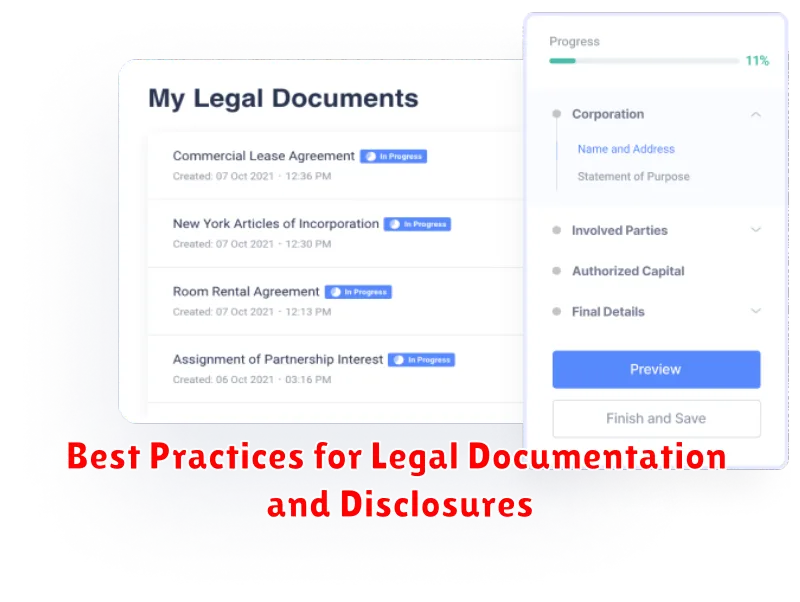
Clear and accessible legal documentation builds trust and mitigates risk. Privacy policies must clearly articulate how customer data is collected, used, and protected. Terms of service should outline user responsibilities, acceptable use, and dispute resolution processes.
Return policies should be easily understandable, outlining the process for returns, refunds, and exchanges. Shipping policies must detail shipping costs, delivery times, and carrier information. All disclosures should be prominently displayed and readily available to customers.
Ensure your website’s accessibility complies with relevant guidelines. Provide alternative text for images and ensure proper navigation for users with disabilities. Regularly review and update your legal documentation to reflect changes in your business practices and legal requirements.
Staying Updated with Evolving Legal Requirements for Online Stores
The digital marketplace is in constant flux, with laws and regulations adapting to new technologies and business practices. Staying informed about these changes is crucial for maintaining legal compliance and avoiding potential penalties. Failing to adapt can lead to hefty fines and damage to your brand’s reputation.
Subscribe to legal updates. Many legal professionals and organizations offer newsletters and email alerts specifically covering e-commerce law. These resources provide timely information on new legislation and regulatory changes that impact online businesses.
Engage with industry associations. Joining e-commerce or retail associations provides access to valuable resources, including legal updates, best practices, and networking opportunities. These associations often advocate for online businesses and can keep you informed of upcoming legal changes.
Consult with legal counsel. Periodically consulting with an attorney specializing in e-commerce law is a proactive measure. They can provide tailored advice and ensure your business practices remain compliant with the latest legal requirements. This is particularly important when expanding into new markets or introducing new products/services.
Monitor regulatory agencies. Websites of regulatory bodies like the Federal Trade Commission (FTC) and state-level consumer protection agencies publish updates and guidance on online business regulations. Regularly reviewing these resources can help you stay ahead of any legal changes.
