
Launching a new product online requires a strategic approach to generate excitement and drive sales. In today’s competitive digital landscape, simply having a great product is not enough. You need to create buzz, build anticipation, and reach your target audience effectively. This article will delve into effective tips and strategies for launching your new product online, covering everything from pre-launch marketing to post-launch engagement. Learn how to create a comprehensive launch plan, leverage social media, build influencer relationships, and ultimately, drive sales for your new product.
Creating a successful online product launch demands careful planning and execution. From crafting compelling marketing campaigns to selecting the right online platforms, every step plays a crucial role in generating buzz and maximizing sales. Discover how to identify your target audience, tailor your messaging to resonate with their needs, and choose the optimal online channels to reach them. We’ll explore practical techniques for building anticipation, creating a sense of urgency, and converting interest into tangible sales for your new product launch.
Defining Your Target Audience and Understanding Their Needs
Before launching any product, it’s crucial to identify and understand your target audience. A well-defined target audience forms the bedrock of all successful marketing strategies. Knowing your ideal customer allows you to tailor your messaging, choose the right marketing channels, and ultimately, drive sales.
Start by creating detailed buyer personas. Consider demographics such as age, gender, location, income level, and education. Equally important are psychographics: values, interests, lifestyle, and pain points. What motivates them? What problems are they trying to solve?
Effective market research is key. Utilize surveys, conduct interviews, and analyze online behavior to gather insights into your target audience’s needs and preferences. This information will inform your product development and marketing efforts, ensuring your product resonates with the intended consumers.
Understanding your audience also involves analyzing their online behavior. Where do they spend their time online? Which social media platforms do they use? What kind of content do they engage with? These questions help you strategize your online marketing campaigns for maximum reach and engagement.
Crafting a Compelling Product Story and Messaging
A compelling product story goes beyond simply listing features. It connects with your target audience on an emotional level, explaining why your product exists and how it solves their problems. This narrative should be woven throughout all your marketing materials.
Start by identifying your product’s key benefits and translating them into tangible value for your customers. Instead of stating “long-lasting battery,” emphasize the convenience it offers, like “power through your entire workday without needing a recharge.” Focus on the outcome, not just the feature.
Develop consistent messaging that resonates with your brand identity and target audience. Use clear and concise language, avoiding jargon or technical terms that might confuse potential customers. Your messaging should clearly articulate the unique value proposition of your product and what sets it apart from the competition.
Consider using storytelling techniques to create an emotional connection with your audience. Sharing the inspiration behind your product or highlighting how it has positively impacted early users can build trust and credibility.
Building Anticipation and Generating Pre-Launch Buzz
Generating pre-launch buzz is crucial for a successful product launch. It creates excitement and demand before your product even hits the market. A well-executed pre-launch campaign can significantly boost initial sales and establish a strong brand presence.
One effective method is creating a sense of mystery. Tease your audience with sneak peeks of the product’s features or benefits without revealing everything. Short videos or images showcasing intriguing details can pique curiosity and encourage discussion.
Run contests or giveaways to engage your target audience. This can be as simple as asking users to share your posts or sign up for email updates for a chance to win the new product. This tactic not only generates buzz but also helps you build your email list for future marketing efforts.
Influencer marketing can play a vital role in pre-launch promotion. Partnering with relevant influencers in your niche to review or preview your product can reach a wider audience and build credibility.
Leveraging Social Media Marketing for Product Promotion
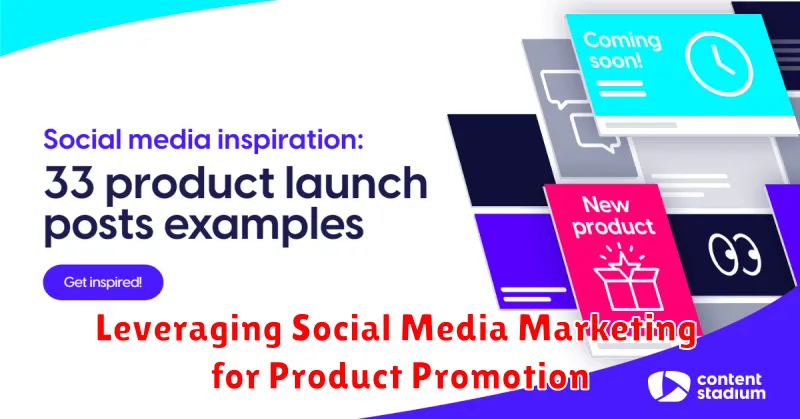
Social media is a powerful tool for promoting new products and reaching a wide audience. A strategic approach is essential for maximizing impact.
Identify the Right Platforms: Focus efforts on platforms where your target audience is most active. Don’t spread resources thin by trying to maintain a presence on every platform.
Content Calendar: Develop a content calendar to schedule posts strategically. Consistent posting keeps your audience engaged and builds anticipation. A mix of content types, including text, images, and videos, keeps your feed fresh.
Targeted Advertising: Utilize social media advertising to reach specific demographics and interests. This focused approach ensures your message reaches potential customers most likely to be interested in your product. Track ad performance and adjust campaigns for optimal results.
Engage With Your Audience: Respond to comments, answer questions, and participate in relevant discussions. Building a community around your product fosters loyalty and positive word-of-mouth marketing.
Influencer Marketing: Collaborate with relevant influencers to reach a wider audience. Influencers can provide valuable social proof and generate excitement for your product launch.
Creating High-Quality Product Images and Videos
In the digital age, visuals are paramount. High-quality product images and videos are essential for showcasing your product’s features, benefits, and overall appeal. They significantly influence purchasing decisions.
Invest in professional photography or videography to capture your product in the best light. Clean backgrounds, proper lighting, and sharp focus are crucial. Showcase the product from multiple angles and highlight key details. Consider lifestyle shots that depict the product in use to help potential customers visualize its application in their lives.
Video content can be particularly engaging. Create short, informative product demos, behind-the-scenes glimpses of production, or testimonials from satisfied beta testers. Ensure your videos are optimized for different platforms and devices.
Image optimization is also crucial. Compress images for fast loading times without compromising quality. Use relevant keywords in alt text for improved search engine optimization (SEO).
Optimizing Your Product Listing for Search Engines
A key element of a successful online product launch is ensuring your product is easily discoverable by potential customers. This involves optimizing your product listing for search engines, a process commonly known as Search Engine Optimization (SEO).
Start with keyword research. Identify the terms your target audience uses when searching for products like yours. Integrate these keywords naturally within your product title, description, and other relevant fields.
High-quality images are essential. Use clear, professional photos that showcase your product from different angles. Optimize image file names and alt text with relevant keywords.
Crafting a compelling product description is crucial. Provide detailed information about the product’s features, benefits, and specifications. Use clear and concise language, focusing on how the product solves a customer’s problem or fulfills a need.
Developing a Launch Day Strategy for Maximum Impact
A well-structured launch day strategy is crucial for maximizing your product’s visibility and driving initial sales. Consider these key elements:
Timing is Everything
Select a launch date and time that aligns with your target audience’s online activity. This might be mid-week during business hours or perhaps a weekend evening. Careful planning ensures maximum reach.
Coordinate Your Channels
Prepare all your online platforms. Your website, social media accounts, and email marketing campaigns should be ready to go live simultaneously, creating a unified and powerful launch message.
Engage Your Audience
Interaction is key. Run contests, Q&A sessions, or live streams to generate excitement and build anticipation. Encourage social sharing with a dedicated launch hashtag.
Prepare for High Traffic
Ensure your website can handle the increased traffic. A site crash on launch day can be detrimental. Test your server capacity and optimize site performance beforehand.
Offering Exclusive Launch Day Deals and Promotions
A key element of a successful product launch is enticing customers with irresistible launch-day offers. These promotions create a sense of urgency and encourage immediate purchases, driving initial sales and generating buzz.
Consider offering limited-time discounts, such as a percentage or fixed amount off the regular price. This incentivizes early adoption and rewards those who are eager to try your new product.
Bundle deals are another effective tactic, pairing your new product with complementary items at a reduced price. This increases the perceived value and encourages larger purchases.
Creating early bird specials for a limited number of customers can generate excitement and reward fast-acting buyers. This can be combined with other offers for maximized impact.
Finally, consider running a launch-day giveaway or contest to build excitement and expand your reach through social sharing. This generates buzz and introduces your product to a wider audience.
Monitoring and Analyzing Post-Launch Performance
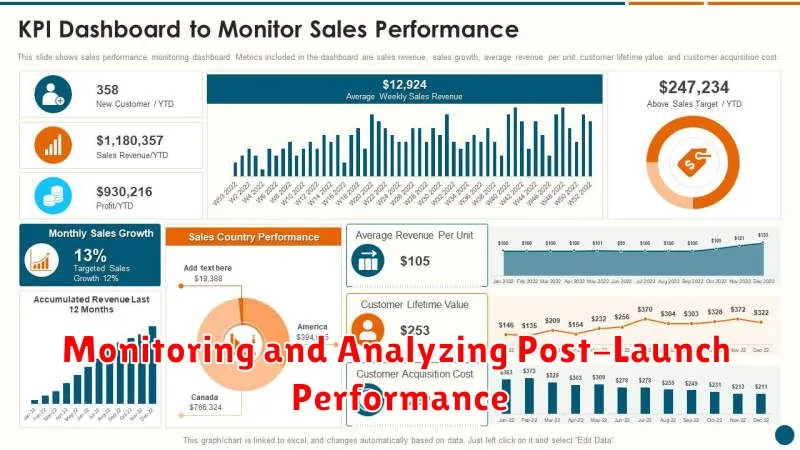
After the excitement of the launch subsides, the crucial work of monitoring and analyzing performance begins. This phase is essential for understanding what worked, what didn’t, and how to optimize your strategy moving forward. Key Performance Indicators (KPIs) should be tracked consistently.
Website traffic should be monitored closely. Analyze the sources of traffic to understand which marketing channels are most effective. Pay attention to bounce rates to identify potential issues with your product page or messaging.
Sales data provides valuable insights into customer behavior. Track the number of units sold, conversion rates, and average order value. This data helps gauge the overall success of the launch and identify areas for improvement.
Customer feedback is invaluable. Monitor reviews, social media comments, and customer service interactions. This qualitative data reveals how customers perceive your product and can uncover unexpected issues or areas for improvement.
