
Launching a successful online business hinges on one crucial element: sales. Whether you’re a seasoned entrepreneur or just starting out, this comprehensive guide, “From Zero to Sales: Your Step-by-Step Guide to Selling Online,” provides the essential knowledge and practical strategies to transform your online presence from zero sales to a thriving business. Learn how to navigate the intricacies of online sales, mastering every step from product selection and market research to effective marketing and customer retention. This guide offers a clear, step-by-step roadmap for anyone seeking to sell online, covering essential topics such as platform selection, pricing strategies, and sales techniques. Start your journey towards online sales success today and unlock the potential of the digital marketplace.
This guide is designed for aspiring entrepreneurs, small business owners, and anyone looking to generate online sales. It breaks down the often-overwhelming process of selling online into manageable steps, providing actionable advice and practical tips. From zero experience to consistent sales, “From Zero to Sales” equips you with the knowledge and resources needed to thrive in the competitive world of online sales. Master the art of selling online and begin your journey towards building a profitable and sustainable online business.
Choosing the Right E-Commerce Platform
Selecting the right e-commerce platform is a critical first step in establishing your online business. The platform you choose will significantly impact your store’s functionality, scalability, and overall success. Consider your budget, technical skills, and the specific needs of your business when making this decision.
Key factors to consider include:
- Pricing: Platforms range from free, open-source options to premium subscription services. Factor in transaction fees, hosting costs, and any add-on expenses.
- Ease of Use: Consider your technical expertise. Some platforms require coding knowledge, while others offer user-friendly drag-and-drop interfaces.
- Scalability: As your business grows, your platform should be able to handle increased traffic and inventory.
- Features: Different platforms offer various features, such as built-in marketing tools, inventory management, and customer support integrations.
- Customization Options: Consider the level of control you need over your store’s design and functionality.
Researching and comparing different platforms is essential. By carefully evaluating your needs and exploring the available options, you can choose the platform that best aligns with your business goals.
Setting Up Your Online Store
Once you’ve chosen your e-commerce platform, the next crucial step is setting up your online store. This involves several key configurations to ensure a smooth and professional experience for your customers.
First, select a domain name that reflects your brand and is easy to remember. A concise and relevant domain name contributes significantly to brand recognition.
Next, choose a theme or template that aligns with your brand aesthetic. Many platforms offer customizable themes, allowing you to tailor the look and feel of your store. Consider factors such as color schemes, fonts, and overall layout. Ensure the theme is responsive, providing a seamless experience across different devices.
Customize your store’s settings, including contact information, shipping options, and return policies. Clearly displaying this information builds trust and transparency with your customers.
Finally, thoroughly test your store’s functionality. Navigate through the checkout process, ensure payment gateways are working correctly, and confirm all links and buttons are functional. A smooth and error-free experience is essential for converting visitors into paying customers.
Adding Products and Creating Compelling Product Descriptions
Once your online store is set up, the next crucial step is adding your products. This involves more than just uploading a picture and stating a price. You need to provide detailed and compelling product descriptions that will entice customers to purchase.
Product Information: Start by entering essential product details, including the product title, SKU, price, and available quantities. Ensure accuracy in all information provided.
High-Quality Images: Use professional, high-resolution images that showcase your product from various angles. Clear visuals are essential for attracting online shoppers.
Compelling Descriptions: Write concise yet informative product descriptions. Highlight key features and benefits, addressing potential customer questions. Use strong action words and focus on the value your product offers.
Keywords and SEO: Incorporate relevant keywords within your product descriptions to improve search engine visibility. This will help potential customers find your products through organic search.
Setting Up Payment Gateways and Processing Orders
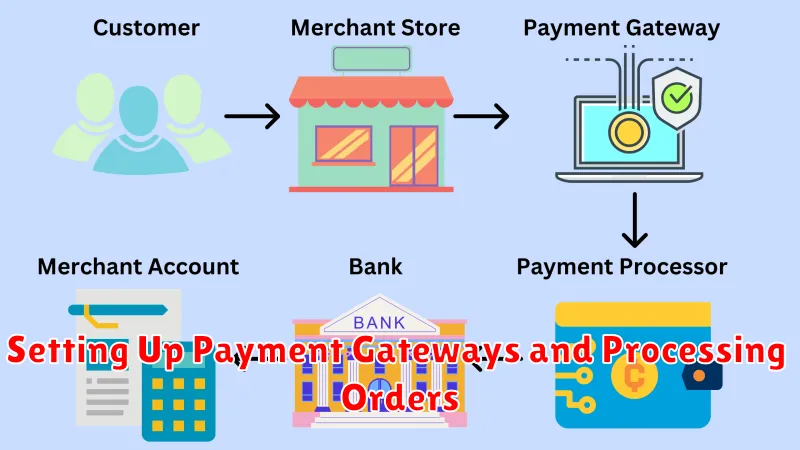
A key aspect of your online store is the ability to securely accept payments. Payment gateways act as intermediaries, facilitating transactions between your customers and your bank account. Choosing the right gateway depends on your business needs and target audience.
Consider factors such as transaction fees, supported currencies, and integration with your chosen e-commerce platform. Popular options include Stripe, PayPal, and Square. Research each option carefully to determine the best fit for your business.
Once you’ve selected a payment gateway, integrate it with your online store. This typically involves creating an account with the provider and connecting it to your platform’s backend. Thoroughly test the integration to ensure seamless transactions.
Order processing is another crucial element. Establish a clear workflow for handling orders from receipt to fulfillment. This might include automated email confirmations, inventory management updates, and shipping label generation.
Efficient order processing ensures timely delivery and a positive customer experience, contributing to repeat business and positive reviews.
Marketing Your Online Store to Drive Traffic
Driving traffic to your online store is crucial for generating sales. A multi-faceted marketing strategy is key to reaching your target audience.
Search Engine Optimization (SEO) is fundamental. Optimize your product descriptions and website content with relevant keywords to improve organic search rankings. Consider utilizing SEO tools to identify high-impact keywords.
Social Media Marketing can significantly expand your reach. Engage with potential customers on platforms where your target demographic is active. Create compelling content that showcases your products and drives traffic to your store. Paid social media advertising can also be highly effective.
Email marketing remains a powerful tool. Build an email list by offering valuable content or exclusive discounts. Regular newsletters can keep your audience engaged and informed about new products and promotions.
Consider paid advertising options. Platforms like Google Ads can help you target specific demographics and interests, driving highly qualified traffic to your store.
Managing Inventory and Order Fulfillment
Effectively managing inventory and order fulfillment is crucial for the success of your online business. It directly impacts customer satisfaction and your bottom line.
Start by selecting an inventory management system. This could range from a simple spreadsheet to sophisticated software, depending on your needs. Accurately tracking inventory levels prevents stockouts and overstocking.
Next, determine your fulfillment strategy. Will you handle shipping yourself (in-house fulfillment) or outsource to a third-party logistics provider (3PL)? Consider factors like order volume, storage space, and shipping costs.
Establish a clear order fulfillment process. This includes receiving orders, picking and packing items, generating shipping labels, and dispatching shipments. Streamlining this process improves efficiency and minimizes errors.
Regularly review and adjust your inventory management and fulfillment strategies as your business grows. Analyze sales data, monitor shipping costs, and gather customer feedback to identify areas for improvement.
Providing Excellent Customer Service
Customer service is paramount to the success of any online business. A positive customer experience fosters loyalty and encourages repeat purchases. It also generates positive word-of-mouth marketing, which can be invaluable.
Responding promptly to customer inquiries is crucial. Aim to answer emails and messages within 24 hours, even if it’s just to acknowledge receipt and let them know you’re working on their issue. This demonstrates respect for their time and concern.
Be proactive in addressing potential problems. For example, if there are shipping delays, communicate this to your customers immediately and offer solutions, such as a discount on their next purchase.
Personalize your interactions. Address customers by name and reference their specific order details whenever possible. This shows you value them as individuals, not just transactions.
Go the extra mile. Consider offering a small gift with their purchase or a personalized thank you note. These small gestures can create a lasting positive impression.
Analyzing Your Sales Data and Making Improvements
Data analysis is crucial for optimizing your online sales strategies. By examining key metrics, you can identify areas for improvement and boost profitability.
Start by tracking website traffic. How many visitors are you getting, and where are they coming from? This information helps determine the effectiveness of your marketing efforts.
Next, analyze your conversion rates. Are visitors adding items to their carts and completing purchases? Low conversion rates may indicate issues with your website’s design, product pricing, or checkout process.
Sales data offers insights into your best-selling products, peak sales periods, and average order value. Use this data to inform inventory decisions and marketing campaigns.
Finally, monitor customer feedback. Reviews, surveys, and return rates provide valuable information about customer satisfaction and areas for improvement. Address negative feedback promptly to enhance the customer experience.
Scaling Your Online Business for Growth
Once your online business is established and generating consistent sales, it’s time to consider scaling for growth. Strategic scaling involves expanding your operations while maintaining profitability and efficiency. This isn’t just about increasing sales, it’s about building a sustainable business for the long term.
Begin by analyzing your current resources. Identify your bottlenecks – areas where limitations restrict growth. This could be inventory management, customer service, or even your website’s bandwidth.
Automation is key to efficient scaling. Explore tools and software that can streamline tasks like order processing, email marketing, and social media management. This frees up your time to focus on strategic decisions.
Consider expanding your product line or target market. Thorough market research is crucial before making these decisions. Understand your customer base and identify potential new markets that align with your brand.
Finally, remember the importance of building a strong team. As your business grows, you’ll need skilled individuals to manage various aspects of your operations. Delegate effectively and empower your team to contribute to your overall success.
