
Venturing into the world of online shopping for the first time can feel both exciting and overwhelming. This comprehensive first-timer’s guide is designed to unlock the potential of online shopping, providing you with the essential knowledge and tools to navigate the digital marketplace with confidence. From understanding the basics of online stores and product searches to mastering secure payment methods and shipping procedures, this guide will empower you to make informed purchases and embrace the convenience of online shopping.
Whether you’re looking for specific products, seeking the best deals, or simply exploring the vast array of options available, this guide will address common concerns and provide practical tips for a smooth and successful online shopping experience. Learn how to compare prices, identify reputable sellers, and protect yourself from potential risks. With this first-timer’s guide, you’ll be well-equipped to unlock the world of online shopping and enjoy its numerous benefits.
Understanding the Basics of Online Shopping
Online shopping offers a convenient way to purchase goods and services from the comfort of your home. It involves browsing through virtual stores, selecting desired items, and completing the purchase process electronically. E-commerce platforms act as digital marketplaces, connecting buyers and sellers.
Before you begin, it’s helpful to understand the core components of online shopping. Product listings provide details about items, including descriptions, images, and pricing. A virtual shopping cart allows you to collect items you intend to purchase. Finally, the checkout process involves providing shipping information, selecting a payment method, and confirming the order.
Familiarizing yourself with these basics will make your initial online shopping experiences smoother and more enjoyable.
Finding Reputable Online Retailers
Ensuring a safe and satisfying online shopping experience starts with choosing trustworthy retailers. Look for established businesses with a positive online presence. Check for secure website connections, indicated by “https” in the URL and a padlock icon.
Read customer reviews on various platforms. These offer valuable insights into other shoppers’ experiences, highlighting potential red flags or confirming a retailer’s reliability. Explore independent review sites, social media pages, and forums to gain a well-rounded perspective.
Verify contact information. A legitimate retailer will provide clear contact details, including a physical address, phone number, and email address. This transparency demonstrates accountability and provides avenues for customer support if needed.
Research the retailer’s return policy. Familiarize yourself with the terms and conditions for returns and refunds before making a purchase. A clear and fair return policy indicates a retailer’s confidence in their products and commitment to customer satisfaction.
Navigating Product Pages and Reviews
Product pages are your gateway to understanding each item. Carefully examine the product descriptions for details like size, materials, and features. Look for high-quality images that show the product from different angles.
Customer reviews offer valuable insights. Pay attention to both positive and negative feedback. Look for recurring themes in the reviews to identify potential issues or benefits you might not have considered. Don’t rely solely on the average rating; delve into the specific comments to get a more comprehensive understanding.
Check the seller’s return policy in case the product doesn’t meet your expectations. Understanding the return process beforehand can save you from potential headaches later. Look for information on return shipping costs and deadlines.
Comparing Prices and Deals
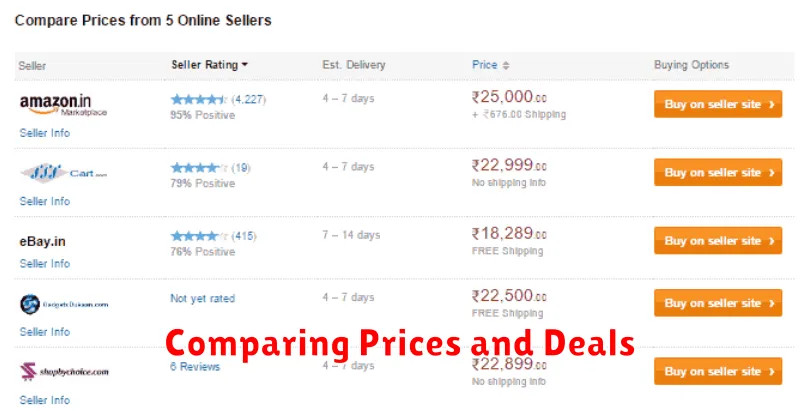
Price comparison is crucial for smart online shopping. Don’t settle for the first price you see. Utilize price comparison websites and browser extensions that automatically check prices across multiple retailers. This helps you quickly identify the best deal.
Look beyond the price tag and consider shipping costs and potential taxes. A seemingly lower price can become more expensive with added fees. Factor these into your comparison to determine the true cost.
Be aware of sales and discounts. Look for coupon codes, promotional offers, and seasonal sales. Sign up for email alerts from your favorite retailers to stay informed about upcoming deals. Comparing deals across different retailers ensures you get the most value for your money.
Read the fine print of any deal. Understand the terms and conditions, any exclusions, and the validity period of the offer. This prevents unexpected surprises at checkout.
Secure Payment Methods for Online Shopping
Security is paramount when paying online. Choose reputable websites with secure checkout processes indicated by “https” in the address bar and a padlock icon.
Credit cards are widely accepted and offer fraud protection. Consider using a virtual credit card number for added security. This masks your real card details.
Debit cards linked to your bank account are also convenient, but exercise caution and monitor your statements regularly for unauthorized transactions.
Digital wallets like PayPal, Apple Pay, and Google Pay offer a secure way to pay without directly sharing your financial information with the retailer.
Prepaid gift cards are a good option for limiting spending and enhancing security. However, lost or stolen cards may be difficult to replace.
Always double-check the payment details before confirming the transaction. Review your order summary and ensure the amount and recipient information is accurate. Report any suspicious activity to your bank or card issuer immediately.
Understanding Shipping Costs and Delivery Times
Shipping costs are a crucial factor to consider when shopping online. They can vary significantly based on several factors, including the weight and dimensions of the item, the distance it needs to travel, and the shipping method chosen.
Free shipping is often offered by retailers, but usually comes with a minimum purchase requirement. Be sure to factor this into your budgeting decisions. Expedited shipping options, like overnight or two-day delivery, are available for faster delivery but will typically incur higher fees.
Delivery times are also influenced by factors like the seller’s location, the shipping carrier used, and any unforeseen circumstances like weather delays. Estimated delivery dates are usually provided at checkout, but keep in mind these are estimates and not guarantees.
Tracking numbers are often provided, allowing you to monitor your package’s progress from shipment to delivery. By understanding both shipping costs and estimated delivery times, you can make informed purchasing decisions and avoid unexpected expenses or delays.
Managing Your Online Shopping Accounts
Effectively managing your online shopping accounts is crucial for a smooth and secure shopping experience. This involves organizing your accounts, passwords, and payment information efficiently.
Password Management
Use strong and unique passwords for each account. A password manager can help you generate and store these securely. Avoid using easily guessable information like birthdays or pet names.
Payment Information
Consider storing payment information within your account for faster checkouts. However, prioritize websites with robust security measures. Regularly review saved payment methods and remove any outdated or unused information.
Address Book
Maintain an updated address book within your accounts. This ensures accurate and efficient delivery. Include multiple addresses if you frequently ship to different locations like your home and office.
Account Preferences
Familiarize yourself with each platform’s account settings. You can often customize notification preferences for order updates, promotional emails, and marketing communications.
Returns and Refunds: Knowing Your Rights
Understanding return policies is crucial for a positive online shopping experience. Before making a purchase, carefully review the retailer’s return policy. This policy outlines the timeframe for returns, acceptable return conditions, and any associated restocking fees.
Familiarize yourself with your rights as a consumer. Many regions have laws protecting online shoppers, granting you the right to return items within a specific period, especially if the product is defective or not as described. Check local consumer protection laws for specifics in your area.
Initiating a return usually involves contacting the retailer directly through their website or customer service. Clearly explain the reason for the return and provide any necessary order information. Retain all documentation, including the return shipping label and confirmation, until you receive your refund.
Refunds are typically processed once the retailer receives and inspects the returned item. The refund method often mirrors the original payment method, such as a credit back to your card or a reversal of the initial transaction. Be aware that the processing time for refunds can vary between retailers.
