

Are you looking to boost your sales and drive more traffic to your e-commerce website? Integrating a blog is a powerful strategy that can significantly enhance your online presence, engage customers, and ultimately, increase conversions. This ultimate guide will provide you with a comprehensive understanding of how to effectively integrate a blog into your e-commerce platform, turning it into a dynamic sales-generating tool. Learn how to leverage content marketing to attract new customers, build brand loyalty, and establish your business as an industry leader.
Discover the essential steps for creating a successful blog that seamlessly complements your e-commerce store. From choosing the right blogging platform and crafting compelling content, to promoting your blog and measuring its effectiveness, we’ll cover everything you need to know to maximize your return on investment. This guide will explore proven strategies for driving traffic from your blog to your product pages, turning readers into loyal customers, and achieving sustainable growth for your e-commerce business. Explore the world of e-commerce blogging and unlock its potential to transform your online sales.
Why Integrate a Blog with Your E-Commerce Website?
Integrating a blog into your e-commerce website offers numerous benefits, ultimately driving sales and strengthening your brand. A blog isn’t just about posting articles; it’s a powerful tool for connecting with your audience and boosting your online presence.
Increased Organic Visibility: Fresh, relevant blog content improves your website’s search engine optimization (SEO). By targeting relevant keywords, you attract more organic traffic from search engines, leading to greater brand visibility.
Enhanced Customer Engagement: A blog allows you to engage with your customers on a deeper level. By providing valuable content related to your products and industry, you build trust and establish your brand as an authority.
Improved Conversion Rates: By educating potential customers about your products and their benefits through blog posts, you can gently guide them through the sales funnel, increasing the likelihood of conversions.
Cost-Effective Marketing: Compared to traditional advertising, blogging is a relatively cost-effective way to drive traffic and generate leads. By consistently creating valuable content, you attract potential customers organically.
Choosing a Blogging Platform for Your Online Store
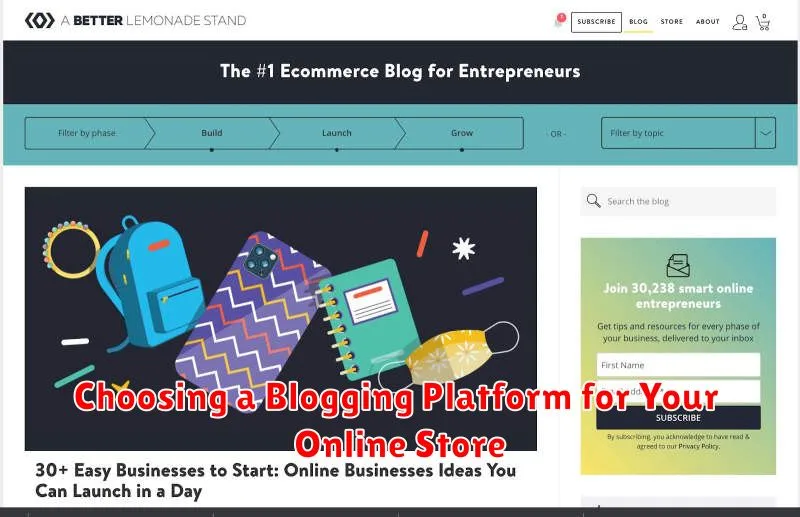
Selecting the right blogging platform is crucial for a seamless integration with your e-commerce website. Consider factors like ease of use, SEO capabilities, and customization options.
Built-in Platforms: Many e-commerce platforms offer integrated blogging functionality. This option simplifies management and maintains a consistent brand experience. However, built-in platforms may have limited features compared to dedicated blogging solutions.
Standalone Platforms: Platforms like WordPress offer extensive customization, powerful SEO tools, and a vast library of plugins. Integrating a standalone platform requires more technical expertise but provides greater flexibility.
Key Considerations:
- Ease of Use: A user-friendly interface simplifies content creation and management.
- SEO Features: Robust SEO capabilities are essential for driving organic traffic.
- Design Flexibility: Ensure the platform aligns with your brand aesthetic and allows for customization.
- Integration Capabilities: Seamless integration with your e-commerce platform is vital for a smooth user experience.
Content Strategy for Your E-Commerce Blog
A well-defined content strategy is crucial for a successful e-commerce blog. It ensures your content resonates with your target audience and drives desired actions.
Start by understanding your ideal customer. What are their pain points? What information are they seeking? Use this knowledge to create valuable, informative, and engaging content.
Focus on topics related to your products or services. For example, if you sell kitchen appliances, consider blog posts with recipes, appliance care tips, or kitchen design trends.
Diversify your content formats. Consider how-to guides, product reviews, comparison articles, listicles, and behind-the-scenes looks at your business. This keeps your content fresh and caters to different learning styles.
Create a content calendar to plan and schedule your blog posts. This helps maintain consistency and ensures a steady flow of valuable content for your audience.
SEO Best Practices for Your E-Commerce Blog
Optimizing your blog posts for search engines is crucial for driving organic traffic to your e-commerce website. Follow these SEO best practices to improve your blog’s visibility:
Keyword Research: Identify relevant keywords that your target audience uses when searching for products or information related to your industry. Use keyword research tools to discover high-volume, low-competition keywords.
On-Page Optimization: Incorporate your target keywords naturally within your blog post title, headings, subheadings, and body content. Ensure your content is informative, engaging, and provides value to your readers.
Meta Descriptions: Write compelling meta descriptions that accurately summarize the content of your blog posts and entice users to click through from search engine results pages (SERPs).
Image Optimization: Use descriptive alt text for all images in your blog posts. This helps search engines understand the context of your images and improves accessibility.
Driving Traffic from Your Blog to Your Online Store
A well-crafted blog is a powerful tool for driving traffic to your online store. The key is seamlessly integrating calls to action that guide readers toward your products without being overly promotional.
Internal Linking is crucial. Weave links to relevant product pages within your blog posts. For example, when discussing the benefits of organic cotton, link to your organic cotton bedding collection.
Product Spotlights within blog posts offer another effective strategy. Showcase relevant products naturally within the context of your content. If writing about winter fashion trends, highlight your latest winter coats or accessories.
Use Clear Calls to Action. Encourage readers to explore your products with phrases like “Shop the Collection” or “Discover More.” Place these calls to action strategically throughout your posts and at the end.
Run Contests and Giveaways on your blog that feature your products as prizes. This generates excitement and encourages visitors to browse your online store.
Product Promotion through Blog Content
Your e-commerce blog is a powerful tool for subtle yet effective product promotion. Instead of blatant advertising, focus on providing valuable content that highlights your products’ benefits and features in context.
Showcase products organically within articles related to their use or problem they solve. For example, a clothing retailer could feature a new line of winter coats in a blog post about staying warm in style. This approach introduces products within a relevant narrative, increasing reader engagement and purchase intent.
Content formats like tutorials, how-to guides, and comparison articles provide excellent opportunities to weave in product mentions naturally. Demonstrating the practical application of your products builds trust and encourages customers to consider them as solutions to their needs.
Leverage storytelling to create an emotional connection with your audience. Share customer testimonials, or behind-the-scenes glimpses into product development. These narratives can subtly promote products while simultaneously building brand loyalty.
Building Community through Your E-Commerce Blog
An e-commerce blog isn’t just about pushing products; it’s a powerful platform for fostering a thriving community around your brand. By providing valuable content and creating a space for interaction, you can cultivate customer loyalty and build strong relationships.
Engage with your audience by responding to comments and questions on your blog posts. This shows that you value their input and creates a sense of connection.
Run contests and giveaways related to your products or industry to generate excitement and encourage participation. These interactive elements can significantly boost engagement and brand visibility within your community.
Feature customer testimonials and stories. User-generated content builds trust and provides social proof, encouraging other customers to engage and share their own experiences.
Create a dedicated space for discussions, such as a forum or comment section, where customers can connect with each other and share their thoughts and experiences related to your products. This peer-to-peer interaction fosters a sense of belonging and encourages a stronger community bond.
Measuring the Success of Your E-Commerce Blog

Tracking the right metrics is crucial to understanding the effectiveness of your e-commerce blog. Key Performance Indicators (KPIs) provide valuable insights into what’s working and what needs adjustment.
Website Traffic: Monitor the number of visitors your blog attracts. Analyze which blog posts drive the most traffic and identify trends.
Conversion Rates: Track how many blog visitors ultimately make a purchase. This metric demonstrates the blog’s influence on sales.
Engagement Metrics: Measure comments, shares, and time spent on page. These indicators reflect audience interest and content quality.
Lead Generation: If you use lead magnets, track how many leads your blog generates. This helps assess its effectiveness in capturing potential customers.
Backlinks: Monitor how many external websites link to your blog content. Backlinks improve SEO and indicate the value of your content.
