
Running a successful online store involves more than just making sales; it requires mastering the often-complex process of returns. A streamlined return policy is essential for building customer trust, fostering loyalty, and ultimately, driving growth. This comprehensive guide, “Mastering Returns: A Seamless Guide for Your Online Store,” offers practical strategies and actionable advice to optimize your returns process, transforming a potential point of friction into an opportunity to enhance customer satisfaction and boost your bottom line.
From understanding the nuances of return policies and implementing efficient return procedures to leveraging return data for valuable business insights, this guide covers it all. Learn how to minimize return rates, reduce processing costs, and turn the return experience into a positive one for your customers. Whether you’re just launching your online store or looking to refine existing processes, “Mastering Returns” provides the tools you need to create a seamless return system that benefits both your business and your customers.
Understanding the Importance of a Smooth Return Process
In today’s competitive e-commerce landscape, a seamless return process is no longer a luxury, but a necessity. It directly impacts customer satisfaction, loyalty, and ultimately, your bottom line.
A frustrating return experience can lead to lost customers and negative reviews, significantly damaging your brand reputation. Conversely, a well-defined and easy-to-navigate return policy fosters trust and encourages repeat purchases. Customers are more likely to buy from a store knowing they can easily return or exchange items if needed.
A streamlined return process also offers operational benefits. By reducing the complexity and cost associated with returns, businesses can improve efficiency and allocate resources more effectively. This includes minimizing customer service inquiries related to returns and optimizing reverse logistics.
Creating a Clear and Concise Return Policy
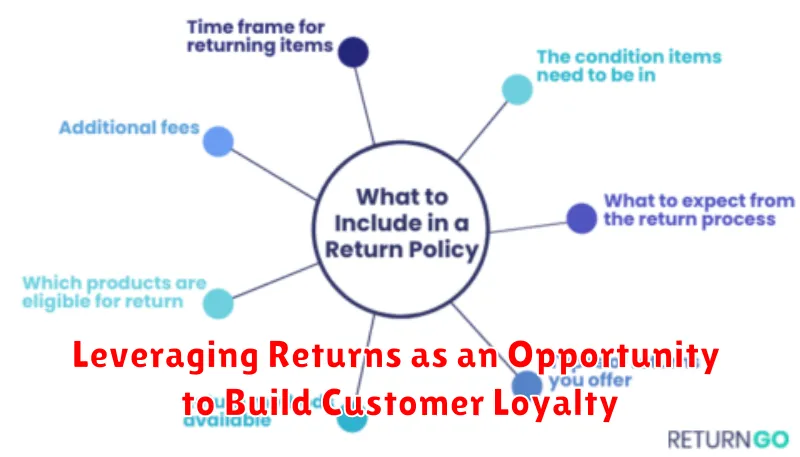
A well-defined return policy is the cornerstone of a positive return experience. Clarity and conciseness are key. Customers should easily understand the terms and conditions without having to decipher complex legal jargon.
Clearly state the return window. Specify the timeframe within which customers can initiate a return (e.g., 30 days, 60 days). Be explicit about the start date of this window – is it from the date of purchase, date of delivery, or another trigger?
Outline the conditions for acceptable returns. Specify the required condition of returned items (e.g., unworn, unused, with original tags attached). Clearly state any non-returnable items.
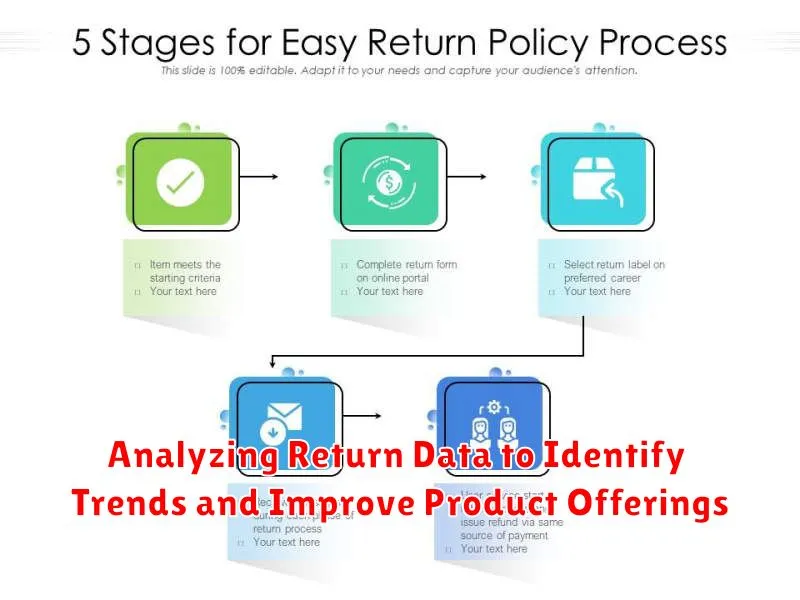
Explain the process. Provide step-by-step instructions on how to initiate a return. Should customers contact customer service? Is there a dedicated online portal? Provide clear directions.
Address who pays for return shipping. Will you provide a prepaid shipping label? Will customers be responsible for return shipping costs? Transparency in this area is crucial.
Providing Multiple Return Options (Shipping, In-Store, Drop-off)
Offering a variety of return methods is crucial for customer satisfaction. Flexibility is key. By providing multiple avenues for returns, you cater to different customer preferences and lifestyles.
Shipping returns are a standard option, allowing customers to send back items via mail. Clearly outline the process, including whether you provide prepaid shipping labels or if customers are responsible for the cost.
If you have a physical storefront, in-store returns provide a convenient option for local customers. This allows for immediate processing and potential exchanges.
Designated drop-off locations, such as partnerships with other businesses or dedicated lockers, offer an alternative for customers seeking a quick and easy return method. Clearly communicate any restrictions, such as size or weight limits, for drop-off returns.
Streamlining the Return Process for a Positive Customer Experience
A streamlined return process is crucial for minimizing customer frustration and fostering loyalty. Efficiency is key. Customers should be able to easily initiate a return, whether through a dedicated online portal or by contacting customer support.
Provide clear instructions on how to package the return and what documentation is required. Prepaid return shipping labels can significantly enhance the customer experience and encourage returns. Consider offering multiple shipping options to cater to different customer preferences.
Once the returned item is received, process it promptly. Timely communication with the customer throughout the return process, including updates on the status of their refund or exchange, is essential for building trust and maintaining a positive brand image.
Regularly analyze your return process and identify areas for improvement. Look for bottlenecks and friction points that can be eliminated to create a more seamless experience. Gathering customer feedback through surveys or post-return emails can provide valuable insights into optimizing the process.
Offering Instant Refunds or Store Credit
In today’s fast-paced ecommerce environment, the speed of refunds plays a crucial role in customer satisfaction. Offering instant refunds or store credit can significantly enhance the customer experience and foster loyalty.
Instant refunds, processed immediately upon return approval, provide a seamless and positive experience. Customers appreciate the quick turnaround and the immediate availability of their funds. This can lead to increased trust and repeat business.
Alternatively, offering store credit can incentivize future purchases. While not providing immediate access to funds, store credit offers a convenient way for customers to quickly re-engage with your store and potentially discover new products. Consider offering a bonus with store credit, such as a small percentage increase in value, to further encourage this option.
Choosing between instant refunds and store credit often depends on your business model and target audience. Analyzing return data and customer preferences can help you determine the most effective approach.
Minimizing Return Fraud and Abuse
Return fraud and abuse can significantly impact an online store’s profitability. Implementing clear policies and procedures is the first step in minimizing these issues. Clearly state your return window, eligible items, and required documentation on your website.
Require proof of purchase for all returns. This can include order numbers, receipts, or packing slips. This helps deter individuals attempting to return stolen or previously used merchandise.
Monitor return frequency for individual customers. A high volume of returns from a single customer can be a red flag for potential abuse. Consider implementing a return limit policy for individual accounts.
Inspect returned items carefully. Verify the condition of the product against the stated reason for return. If the item shows signs of wear and tear beyond reasonable use, or if the original tags and packaging are missing, it may indicate fraudulent activity.
Analyzing Return Data to Identify Trends and Improve Product Offerings
Analyzing return data offers valuable insights into product performance and customer satisfaction. By systematically tracking returns, businesses can identify trends and areas for improvement.
Key data points to track include the reason for return, product involved, date of purchase, and customer demographics. This data can be analyzed to reveal recurring issues.
For example, a high return rate for a particular product might indicate a quality control problem. Consistent sizing issues could point to inaccurate size charts or product descriptions.
By understanding these trends, businesses can make data-driven decisions to improve product offerings, enhance quality control processes, and ultimately, reduce return rates.
Consider these potential areas for improvement:
- Product Quality: Address manufacturing defects or material issues.
- Sizing and Fit: Improve size charts and provide more detailed product descriptions.
- Product Descriptions: Ensure accurate and comprehensive information.
- Packaging: Evaluate packaging for damage prevention.
Leveraging Returns as an Opportunity to Build Customer Loyalty
A smooth and customer-centric return process can transform a potentially negative experience into a chance to foster loyalty and boost customer lifetime value. Emphasize customer satisfaction throughout the return journey. This starts with a clear and accessible return policy.
Offer multiple return options such as mail-in returns, in-store drop-offs (if applicable), or scheduled pick-ups to cater to varying customer preferences. Provide prepaid return shipping labels to eliminate a financial barrier and show goodwill. This can significantly impact customer perception and encourage future purchases.
Proactive communication is key. Keep customers informed of their return status through email or SMS updates. A quick turnaround time for processing returns and issuing refunds demonstrates efficiency and respect for the customer’s time. Consider offering a discount code or other incentive for future purchases as a token of apology for any inconvenience caused by the return.
