
Launching a successful online business hinges on choosing the right e-commerce platform. The sheer number of options available can feel overwhelming, from user-friendly website builders to robust enterprise-level solutions. This comprehensive guide will navigate you through the complexities of selecting the perfect e-commerce platform for your specific business needs. We’ll explore key factors like scalability, pricing, features, and integrations to empower you to make an informed decision that sets your business up for online success. Whether you’re a budding entrepreneur or an established brand looking to expand online, understanding the nuances of each platform is crucial.
Selecting the appropriate e-commerce platform can be the difference between thriving online and struggling to gain traction. This article will delve into the crucial considerations for evaluating different platforms, focusing on their respective strengths and weaknesses. We’ll discuss essential features such as payment gateways, inventory management, shipping options, and marketing tools, equipping you with the knowledge necessary to choose a platform that aligns perfectly with your business objectives and budget. By the end of this guide, you will be well-prepared to select the best e-commerce platform to launch or enhance your online presence.
Understanding Your Business Needs
Selecting the right e-commerce platform is crucial for your online success. A thorough understanding of your specific business needs is the first step in this process. Defining your requirements will help you narrow down the options and choose a platform that aligns perfectly with your goals.
Begin by considering your product catalog. How many products do you plan to sell? Are there variations like size or color? A platform designed for a small inventory may not be suitable for a business with thousands of products.
Next, evaluate your sales volume projections. A platform suitable for a startup with low order volume might not be robust enough for a rapidly scaling business. Think about your expected growth trajectory.
Also, identify your target customer base. Consider their shopping habits and preferences. This will inform your decisions regarding features like mobile responsiveness and personalized recommendations.
Exploring Popular E-Commerce Platforms
Choosing the right platform is crucial for your online success. Let’s explore some of the most popular options available.
Shopify
Shopify is a hosted platform known for its ease of use and extensive app store. It’s a great choice for beginners and businesses looking for a quick setup and a wide range of functionalities.
WooCommerce
WooCommerce is a WordPress plugin, offering flexibility and control. If you’re already familiar with WordPress, WooCommerce can be a powerful option. It requires more technical knowledge than Shopify.
Magento
Magento is a robust platform designed for larger businesses with complex needs. It offers advanced features and customization options but requires significant technical expertise.
BigCommerce
BigCommerce is another hosted platform that provides a comprehensive set of features for growing businesses. It offers strong SEO capabilities and multi-channel selling options.
Squarespace
Squarespace is known for its sleek designs and user-friendly interface. It’s a good option for businesses prioritizing aesthetics and simplicity, particularly those in creative industries.
Key Features to Consider
Selecting the right e-commerce platform hinges on identifying key features that align with your specific business requirements. Carefully evaluating these features will ensure a smooth and efficient online operation.
Product Management capabilities are crucial. Look for platforms that offer robust inventory management, including options for variations like size and color. Efficient product categorization and the ability to add detailed descriptions are also essential.
Payment Gateway Integration is a must. A platform should support multiple payment gateways to provide customers with various payment options, increasing conversion rates. Consider transaction fees and security features when evaluating gateways.
Shipping Options and Integrations should be flexible and cater to your target market. Look for platforms that offer different shipping methods, real-time shipping calculations, and integration with popular carriers.
Customer Support Tools enhance the customer experience. Features like live chat, integrated help desks, and FAQs can improve customer satisfaction and build loyalty.
Scalability and Future Growth
Choosing an e-commerce platform isn’t just about present needs; it’s a crucial investment in your future. Scalability refers to the platform’s ability to handle increasing demands as your business grows. This encompasses increased traffic, larger product catalogs, and higher transaction volumes.
Consider whether the platform can accommodate your projected growth without significant performance degradation. A platform that struggles under pressure can lead to lost sales and frustrated customers. Look for features like flexible hosting options, the ability to integrate with third-party logistics providers, and robust API access for custom integrations.
Evaluate the platform’s track record with other growing businesses. Can it handle peak seasons and unexpected traffic spikes? Planning for scalability now will save you the headache and expense of migrating to a new platform later.
Pricing and Budget Considerations
Cost is a critical factor when selecting an e-commerce platform. Different platforms offer various pricing models, including monthly subscriptions, transaction fees, and per-product charges. Carefully analyze your projected sales volume and budget to determine the most cost-effective solution.
Free trials or freemium plans can be beneficial for testing platforms before committing to a paid subscription. This allows you to explore the features and interface to determine if it’s the right fit for your business. However, be aware of limitations on free plans and consider the long-term costs associated with scaling up.
Hidden fees can sometimes add unexpected expenses. Thoroughly review the pricing structure for each platform and inquire about potential extra costs, such as payment gateway fees, add-on features, or developer support. Being aware of all potential costs upfront will prevent unexpected surprises down the line.
Ease of Use and Management
A user-friendly platform is crucial for efficient daily operations. Consider how easy it is to list products, manage inventory, process orders, and handle customer service inquiries. A platform with an intuitive interface and clear navigation will save you valuable time and resources.
Look for features like drag-and-drop functionality for building web pages, bulk product upload capabilities, and automated inventory management. Think about the technical skills of your team. If you lack dedicated developers, a platform requiring extensive coding knowledge will create unnecessary challenges.
Key considerations include the learning curve for the platform, the availability of training resources and support, and the overall ease of managing day-to-day tasks. A streamlined platform will allow you to focus on growing your business, rather than wrestling with complex software.
Integration with Existing Systems
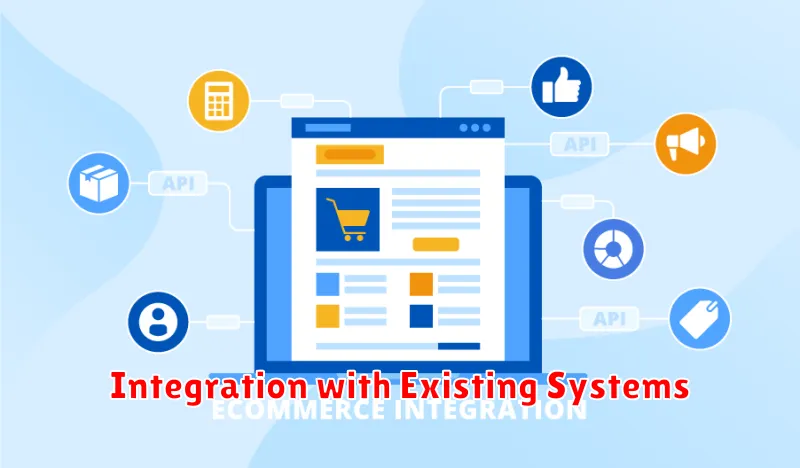
A crucial factor in selecting an e-commerce platform is its ability to integrate seamlessly with your existing business systems. This interoperability can significantly impact your operational efficiency and overall success.
Consider your current CRM (Customer Relationship Management), ERP (Enterprise Resource Planning), and inventory management systems. The ideal platform should connect with these systems, allowing for automated data transfer and reducing manual data entry. This integration minimizes errors, saves time, and provides a unified view of your business operations.
Evaluate the platform’s API (Application Programming Interface) and available integrations. A robust API allows for custom integrations and greater flexibility in connecting with specialized systems. Check if the platform offers pre-built integrations with the systems you currently use. This can simplify the integration process and reduce development costs.
Payment gateways are another vital integration point. Ensure the platform supports your preferred payment processors and offers a secure and reliable payment processing experience for your customers.
SEO Friendliness and Marketing Tools
A strong SEO presence is crucial for attracting organic traffic. Evaluate the platform’s SEO capabilities, including customizable URLs, meta descriptions, and alt tags for images. A platform that hinders these basic SEO practices should be avoided.
Consider built-in marketing tools. Does the platform offer email marketing integration, social media sharing options, or promotional features like discounts and coupons? These tools can streamline your marketing efforts and save you the cost and complexity of integrating third-party solutions.
Examine the platform’s blog functionality. A well-maintained blog can significantly boost your SEO and establish your brand as an authority in your industry. Ensure the blogging interface is user-friendly and supports content optimization best practices.
Assess the platform’s analytics capabilities. Robust reporting on traffic sources, conversion rates, and customer behavior is essential for data-driven decision-making and optimizing your marketing campaigns.
Security and PCI Compliance
Security is paramount for any e-commerce platform. Customer data, including sensitive payment information, must be protected from unauthorized access and breaches. When evaluating platforms, prioritize those with robust security features.
Look for features like SSL certificates, which encrypt data transmitted between the customer’s browser and the server. Two-factor authentication adds an extra layer of security for administrative access. Regular security updates and patches are also crucial to address emerging threats.
PCI DSS (Payment Card Industry Data Security Standard) compliance is mandatory for any business that processes, stores, or transmits credit card information. Ensure the platform you choose is PCI compliant or offers tools and resources to help you achieve and maintain compliance. This protects your business from penalties and builds trust with customers.
