

In today’s dynamic digital landscape, e-commerce growth is paramount for businesses seeking to thrive. API integration stands as a pivotal tool for unlocking this growth, offering a seamless connection between disparate systems and streamlining operations. This comprehensive guide delves into the intricacies of API integration for e-commerce, providing valuable insights and practical strategies to leverage its power for enhanced efficiency, scalability, and ultimately, greater revenue generation. Whether you’re a seasoned e-commerce entrepreneur or just starting out, understanding the potential of API integration is essential for staying ahead of the curve and maximizing your business’s potential in the competitive online marketplace.
From automating inventory management and order fulfillment to personalizing customer experiences and expanding your market reach, API integration offers a wealth of opportunities for e-commerce growth. This guide will explore the various types of APIs relevant to e-commerce, including payment gateways, shipping providers, marketing automation platforms, and customer relationship management (CRM) systems. We will also examine the key benefits of API integration, such as improved data flow, reduced operational costs, enhanced customer satisfaction, and increased sales. By understanding the practical applications and strategic advantages of API integration, you can empower your e-commerce business to achieve sustainable growth and long-term success.
Understanding the Power of API Integration in E-Commerce
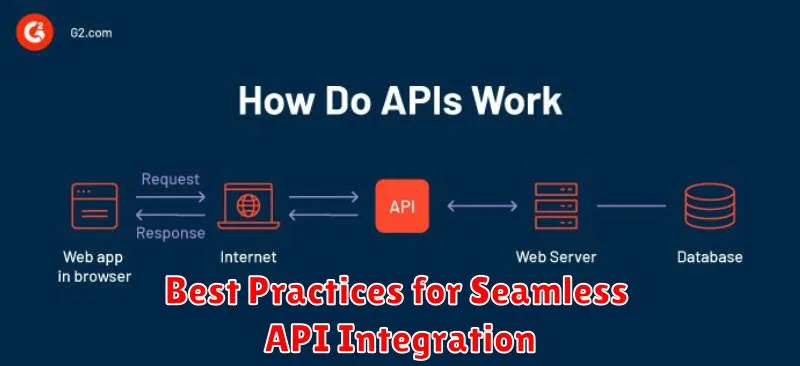
In today’s interconnected digital landscape, Application Programming Interfaces (APIs) play a crucial role in driving e-commerce growth. APIs act as messengers, allowing different software systems to communicate and exchange information seamlessly. This interconnectivity empowers online businesses to enhance their functionalities and streamline operations.
Imagine your e-commerce platform as a central hub. APIs enable this hub to connect with various external services, such as payment gateways, shipping providers, and marketing platforms. By leveraging these connections, you can automate processes, personalize customer experiences, and gain valuable insights into customer behavior.
Essentially, API integration breaks down data silos, enabling a smoother flow of information between different parts of your e-commerce ecosystem. This results in improved efficiency, reduced manual effort, and ultimately, increased revenue.
Exploring Different Types of APIs for Your Online Store
Understanding the various types of APIs available is crucial for selecting the right tools for your e-commerce platform. APIs are broadly categorized based on their architecture and purpose.
REST APIs
REST (Representational State Transfer) APIs are the most common type used in web applications. They rely on standard HTTP methods (GET, POST, PUT, DELETE) to interact with resources. REST APIs are known for their simplicity, scalability, and stateless nature, making them ideal for connecting diverse systems.
SOAP APIs
SOAP (Simple Object Access Protocol) APIs are more structured than REST APIs and use XML for data exchange. They offer enhanced security and reliability features, often preferred in enterprise-level applications where strict data control is essential. However, SOAP APIs can be more complex to implement than REST.
GraphQL APIs
GraphQL provides a more efficient way to fetch data by allowing clients to specify exactly what information they need. This reduces over-fetching and improves performance, particularly beneficial for mobile applications and complex e-commerce platforms.
Webhooks
While not strictly an API, webhooks play a vital role in real-time data synchronization. They act as push notifications, alerting your system to changes in another application. This is useful for tasks like order updates, inventory management, and customer support interactions.
Key Benefits of Integrating APIs into Your E-Commerce Platform
Integrating APIs into your e-commerce platform offers a multitude of benefits that can significantly enhance your business operations and customer experience. Here are some key advantages:
Enhanced Automation
APIs automate tedious tasks, freeing up your team to focus on strategic initiatives. Automated inventory updates, order fulfillment, and customer support processes improve efficiency and reduce manual errors.
Real-time Data Synchronization
APIs enable seamless data flow between your e-commerce platform and other critical systems. Real-time updates on inventory levels, pricing, and shipping information ensure data accuracy across all platforms.
Personalized Customer Experiences
Leveraging APIs allows you to personalize the customer journey. Integrating with CRM systems, marketing platforms, and recommendation engines enables targeted promotions, personalized product recommendations, and customized customer service.
Improved Scalability and Flexibility
API integration empowers your platform to adapt to changing business needs. Easily integrate new features, functionalities, and third-party services, enhancing scalability and flexibility.
Increased Revenue and Reduced Costs
By optimizing processes, personalizing the customer experience, and expanding market reach, API integration can drive higher sales and reduce operational costs.
Choosing the Right APIs for Your Business Needs
Selecting the appropriate APIs is crucial for maximizing the benefits of integration. Careful consideration of your specific business requirements and objectives is essential.
Begin by identifying your pain points. Are you struggling with order fulfillment, inventory management, or customer service? Pinpointing these areas will guide your API selection process.
Next, research available APIs that address your identified needs. Consider factors such as functionality, security, pricing, and support. A thorough evaluation will ensure compatibility with your existing systems.
Scalability is another key factor. Choose APIs that can adapt to your future growth and evolving business needs. This will prevent integration limitations down the line.
Finally, prioritize APIs from reputable providers with a proven track record. This minimizes risks and ensures reliable performance.
Step-by-Step Guide to Implementing API Integration
Integrating APIs can significantly enhance your e-commerce platform. Follow these steps for a smooth integration process.
1. Planning and Assessment
Define your objectives. What do you hope to achieve with API integration? Identify the specific functionalities you need and the data you want to exchange. Analyze your current systems to ensure compatibility with the chosen API.
2. API Selection and Documentation
Thoroughly research available APIs to find the one that best suits your needs. Carefully review the API documentation to understand its functionalities, requirements, and limitations. This documentation is crucial for successful implementation.
3. Development and Testing
Develop the necessary code to interact with the API. This typically involves using the API’s specified protocols and data formats. Rigorously test the integration in a development environment to ensure it functions as expected and handles various scenarios, including error handling.
4. Deployment and Monitoring
Once testing is complete, deploy the integration to your live e-commerce platform. Continuously monitor the API’s performance and address any issues that arise. Regular monitoring ensures a smooth and efficient integration.
Common Challenges and How to Overcome Them
Integrating APIs can be complex, and several challenges can arise during the process. Data incompatibility is a frequent hurdle, where differing data formats between systems require careful transformation. This can be addressed by implementing robust data mapping and transformation logic.
Authentication and authorization are crucial for security. Difficulties can arise in managing secure access and permissions. Employing industry-standard authentication protocols like OAuth 2.0 and implementing strong access control mechanisms are essential.
Another common challenge is error handling and debugging. APIs can produce a variety of errors, requiring thorough testing and robust error handling procedures. Implementing clear logging and monitoring practices can significantly aid in troubleshooting and resolution.
Rate limiting imposed by API providers can restrict the frequency of requests, potentially impacting performance. Careful planning and adherence to rate limits, along with implementing strategies like request batching or caching, can mitigate this challenge.
Best Practices for Seamless API Integration
Thorough Planning and Documentation: Begin with a clear integration strategy, outlining specific goals and requirements. Detailed documentation of the API’s functionalities, data structures, and authentication methods is crucial for a smooth integration process.
Sandbox Testing: Utilize a sandbox environment to test the integration without affecting live data. This allows for safe experimentation and identification of potential issues before deployment.
Data Mapping and Validation: Ensure accurate data transfer by meticulously mapping data fields between your systems and the API. Implement validation rules to maintain data integrity and prevent errors.
Error Handling and Logging: Establish robust error handling mechanisms to gracefully manage exceptions and maintain system stability. Comprehensive logging provides valuable insights for debugging and troubleshooting.
Security Considerations: Prioritize security by implementing proper authentication and authorization protocols. Regularly review and update security measures to protect sensitive data.
Measuring the Success of Your API Integration Strategy
Measuring the success of your API integration strategy is crucial for continuous improvement and demonstrating return on investment (ROI). Key Performance Indicators (KPIs) provide quantifiable metrics to track progress and identify areas for optimization.
Key Performance Indicators (KPIs)
Track these KPIs to gauge the effectiveness of your integrations:
- API Uptime: A higher uptime percentage indicates a more reliable and stable integration.
- Error Rate: A lower error rate signifies a smoother, more efficient data flow.
- Latency: Lower latency translates to faster processing and a better user experience.
- Data Throughput: Measure the volume of data successfully transferred within a specific timeframe.
- Transaction Volume: Monitor the number of transactions processed via the API, reflecting increased business activity.
By consistently monitoring these KPIs, you can identify potential bottlenecks, optimize performance, and ensure your API integrations are contributing to your overall business goals.
