

In today’s competitive digital landscape, crafting the perfect user experience (UX) is paramount to the success of any e-commerce venture. A seamless and enjoyable UX not only attracts customers but also fosters loyalty, encourages repeat purchases, and ultimately, boosts your e-commerce conversions. This article delves into the essential elements of a successful UX, offering practical tips and strategies to optimize your online store for maximum impact. From streamlined navigation and intuitive design to personalized recommendations and efficient checkout processes, we’ll explore the key factors that contribute to a positive user journey and drive conversions.
Whether you’re a seasoned e-commerce entrepreneur or just starting out, understanding the nuances of UX is crucial for staying ahead of the curve. By implementing the tips outlined in this article, you can create an online shopping experience that delights customers, builds trust, and ultimately translates into increased e-commerce conversions. Learn how to effectively leverage design principles, user behavior insights, and cutting-edge technologies to transform your online store into a high-converting machine. Discover the secrets to crafting the perfect user experience and unlock the full potential of your e-commerce platform.
Understanding Your Target Audience
A deep understanding of your target audience is crucial for crafting a user experience that resonates and drives conversions. Knowing your ideal customer informs every aspect of your e-commerce strategy, from product development to marketing campaigns.
Key questions to consider when defining your target audience:
- What are their demographics (age, gender, location, income, education)?
- What are their psychographics (lifestyle, values, interests, attitudes)?
- What are their online behaviors (preferred platforms, browsing habits, purchasing patterns)?
- What are their needs and pain points? How can your products or services address them?
By gathering data and conducting thorough research, including surveys, customer interviews, and analyzing website analytics, you can build a comprehensive profile of your target audience. This knowledge allows you to tailor your messaging, product offerings, and overall user experience to effectively engage potential customers and encourage them to make a purchase.
Optimizing Your E-Commerce Website Navigation
Intuitive navigation is crucial for a positive user experience. Customers should easily find what they’re looking for without confusion. A well-structured website translates directly into increased sales and reduced bounce rates.
Implement a clear and concise menu structure. Organize product categories logically, using familiar terms. Consider using mega menus for larger inventories, allowing users to preview subcategories without multiple clicks.
A prominent search bar is essential. Ensure it’s easily accessible from every page and offers auto-suggest functionality for quicker product discovery. Filters are also crucial, enabling users to refine search results based on size, color, price, and other relevant attributes.
Breadcrumbs provide context and allow users to easily backtrack through their browsing history. This is particularly helpful on websites with deep category structures. A clear visual hierarchy of categories, subcategories, and individual product pages strengthens the overall navigation experience.
Creating a Seamless Checkout Process
A frictionless checkout experience is crucial for converting potential customers into paying ones. A complicated or confusing process can lead to abandoned carts and lost revenue. Streamlining this stage is essential for maximizing sales.
Minimize required fields. Only ask for information absolutely necessary to complete the transaction. Reduce form length and complexity to speed up the process. Consider offering guest checkout options to avoid mandatory account creation.
Offer multiple payment options. Provide customers with a variety of payment methods to cater to their preferences. This includes major credit cards, digital wallets, and other popular payment gateways. Displaying trusted security badges can also build confidence and encourage conversions.
Clearly display shipping costs and delivery times. Transparency in pricing and shipping builds trust. Surprise fees added at the end can deter customers. Provide clear and upfront information about all costs associated with the purchase.
Enhancing Product Pages for Better Conversions
Product pages are the heart of your e-commerce store. Optimizing these pages is crucial for converting browsers into buyers. High-quality product photography is essential. Multiple images showcasing different angles and details build customer confidence.
Compelling product descriptions should go beyond simply listing features. Focus on benefits and address potential customer questions. Use clear and concise language, highlighting key selling points.
Customer reviews and testimonials build trust and social proof. Display them prominently on the product page. Consider incorporating a star-rating system for quick visual assessment.
Product videos offer a dynamic way to engage customers. Showcasing the product in action helps customers visualize its use and understand its value.
Clearly displaying pricing and availability eliminates confusion and encourages purchase decisions. Offering different product variations, such as size or color, caters to diverse customer needs.
Improving Mobile Responsiveness for Enhanced User Experience

In today’s mobile-first world, ensuring your e-commerce website is fully responsive is no longer a luxury, but a necessity. A mobile-responsive design adapts seamlessly to different screen sizes, providing a consistent and user-friendly experience across all devices.
Prioritize a mobile-first approach when designing or redesigning your website. This means designing for smaller screens first and then scaling up for larger displays. This ensures core functionality and content are optimized for mobile users.
Simplify navigation on mobile devices. Use clear and concise menus, easily tappable buttons, and avoid clutter. Streamlined navigation minimizes frustration and allows users to quickly find what they’re looking for.
Optimize images and videos for mobile. Large file sizes can significantly slow down loading times on mobile connections. Compress images and videos without compromising quality to ensure a fast and smooth browsing experience.
Thoroughly test your website’s mobile responsiveness across various devices and operating systems. Use browser developer tools or dedicated mobile testing platforms to identify and fix any display or functionality issues.
Personalizing the Shopping Experience with Targeted Offers
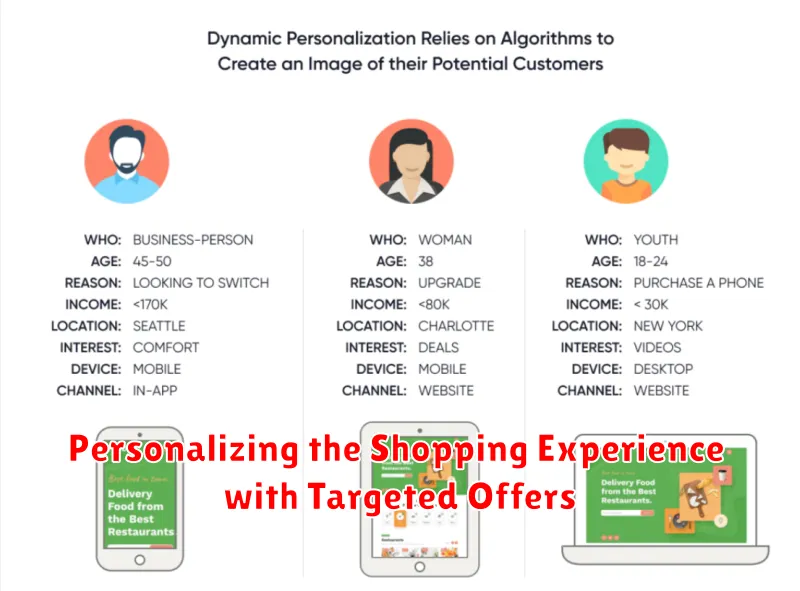
In today’s competitive e-commerce landscape, personalization is key to capturing customer attention and driving conversions. By tailoring the shopping experience to individual preferences, businesses can significantly enhance customer satisfaction and loyalty.
Targeted offers, based on browsing history, past purchases, and demographic information, are a powerful tool for personalization. Presenting customers with relevant products and deals increases the likelihood of a purchase and fosters a sense of value. For example, if a customer frequently purchases running shoes, offering a discount on related accessories like running socks or fitness trackers can be highly effective.
Leveraging data analytics allows businesses to segment their audience and deliver personalized recommendations. This data-driven approach ensures that offers resonate with individual customer needs and desires, leading to higher conversion rates.
Furthermore, personalized offers can be delivered through various channels, such as email marketing campaigns, website pop-ups, and even social media advertisements. By utilizing a multi-channel approach, businesses can maximize their reach and ensure their targeted offers are seen by the right customers at the right time.
Building Trust and Credibility with Secure Payment Options
In the competitive e-commerce landscape, establishing trust is paramount. Customers are more likely to complete a purchase if they feel confident their financial information is secure. Clearly displaying security badges from reputable companies like Norton or McAfee can instantly boost consumer confidence.
Offering a variety of payment options caters to diverse customer preferences and increases conversion rates. Accepting major credit cards, digital wallets like PayPal and Apple Pay, and even buy now, pay later services can significantly reduce purchase friction.
Transparent communication about your security measures is essential. A clearly written privacy policy and a dedicated security information page can address customer concerns and foster trust. Highlighting data encryption methods and secure server usage reinforces your commitment to protecting customer data.
Regularly auditing and updating your security protocols ensures you are utilizing the latest technologies and best practices. This proactive approach demonstrates your dedication to providing a secure shopping environment and protecting sensitive customer information.
Utilizing Customer Feedback to Improve User Experience
Customer feedback is an invaluable resource for enhancing the user experience and, consequently, boosting conversions. Actively soliciting and analyzing feedback provides crucial insights into customer pain points and areas for improvement.
Implement various feedback mechanisms such as surveys, feedback forms, and product reviews to gather diverse perspectives. Analyze this data to identify recurring issues and trends.
Prioritize changes based on the frequency and impact of the feedback received. Addressing common complaints can lead to significant improvements in user satisfaction.
Close the feedback loop by acknowledging customer feedback and communicating the actions taken based on their input. This demonstrates a commitment to customer satisfaction and fosters trust.
