
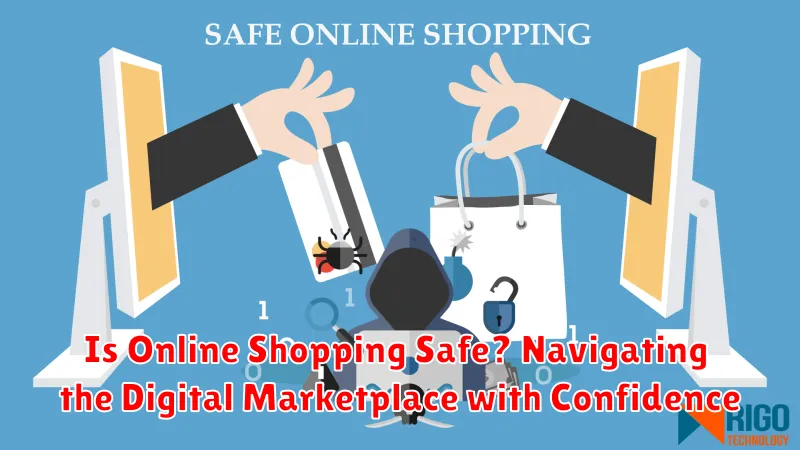
In today’s digital age, online shopping has become an integral part of our lives. The convenience of browsing and purchasing goods from the comfort of our homes is undeniable. However, with the rise of e-commerce comes a crucial question: Is online shopping safe? This article addresses this critical concern, providing readers with the knowledge and tools to navigate the digital marketplace with confidence. We will delve into the potential risks associated with online shopping, including data breaches, phishing scams, and fraudulent sellers, while offering practical strategies for mitigating these threats. Understanding the landscape of online security is paramount to ensuring a secure and positive online shopping experience.
From securing your personal information to identifying secure websites, we will equip you with the essential skills to shop safely online. Learn how to recognize and avoid online scams, protect your financial data, and make informed purchasing decisions. We will explore the importance of strong passwords, two-factor authentication, and understanding website security protocols. By the end of this article, you will possess the confidence to navigate the digital marketplace safely and securely, unlocking the full potential of online shopping while minimizing risks.
Understanding the Risks of Online Shopping
While online shopping offers convenience, it’s crucial to be aware of potential risks. One significant risk is data breaches. Retailers storing customer data can be targeted by hackers, potentially exposing your personal and financial information.
Another concern is fraudulent websites. These sites mimic legitimate businesses to steal information. Look carefully for inconsistencies in website design, unusual URLs, or poor grammar, which can indicate a fraudulent site.
Identity theft is a serious risk. Criminals can use stolen information to open accounts, make purchases, or even file taxes in your name. Being cautious about where you share your personal information online is essential.
Finally, be wary of scams such as fake deals or phishing attempts. These scams often use enticing offers to lure victims into revealing sensitive information. Always double-check deals that seem too good to be true and avoid clicking on suspicious links.
Identifying Secure Online Retailers
Ensuring a safe online shopping experience starts with choosing reputable and secure retailers. Look for trust indicators that signal a retailer’s commitment to security.
A secure website should use HTTPS. This is indicated by a padlock icon in the address bar and signifies that communication between your browser and the website is encrypted. Check for a valid SSL certificate by clicking on the padlock. It should display information about the certificate’s validity and the organization it was issued to.
Contact information should be readily available. A legitimate retailer will provide a physical address, phone number, and email address. Verify this information to ensure it’s accurate.
Look for clearly stated privacy policies. These policies should outline how the retailer collects, uses, and protects your personal information. A transparent and comprehensive privacy policy is a sign of a responsible retailer.
Consider retailers with positive customer reviews and ratings. While not foolproof, reviews can offer insights into other customers’ experiences, including aspects of security and trustworthiness.
Protecting Your Financial Information
Protecting your financial information is paramount when shopping online. Never use public Wi-Fi for online transactions. Public networks often lack adequate security, leaving your data vulnerable to interception. Instead, opt for a secure, private network connection.
Strong passwords are crucial. Use a combination of uppercase and lowercase letters, numbers, and symbols. Consider a password manager to generate and securely store complex passwords. Never reuse passwords across multiple platforms.
Credit cards generally offer greater protection than debit cards for online purchases. Many credit card companies provide fraud protection and will limit your liability for unauthorized charges. Consider using a virtual credit card number for added security. This temporary number links to your actual account but masks your true card details.
Regularly monitor your bank and credit card statements for any unauthorized activity. Report suspicious transactions immediately to your financial institution.
Safeguarding Your Personal Data
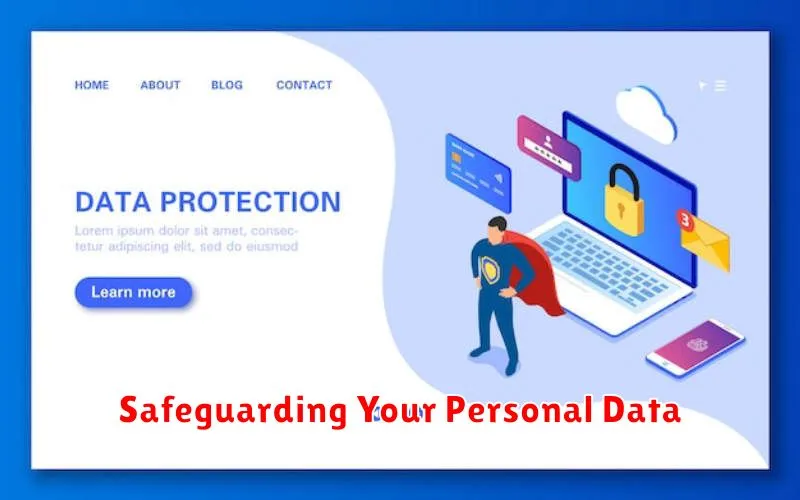
Protecting your personal data while shopping online is crucial. Be mindful of the information you share with online retailers. Only provide necessary information for the transaction, such as your shipping address and email address. Avoid sharing unnecessary personal details like your birthdate or social security number.
Create strong passwords for your online shopping accounts, and use different passwords for each site. Consider using a password manager to help you generate and store secure passwords.
Regularly review your privacy settings on shopping websites and social media platforms. Control the information you share and limit access to your personal data. Be wary of quizzes or surveys that request excessive personal information.
Monitor your accounts for any suspicious activity. Check your bank and credit card statements frequently to ensure no unauthorized transactions have occurred. If you suspect a data breach, contact the retailer immediately and take steps to secure your accounts.
Recognizing and Avoiding Phishing Scams
Phishing scams are designed to trick you into revealing your personal and financial information. Be wary of emails, text messages, or pop-up ads that appear to be from legitimate online retailers, banks, or payment processors.
Look for red flags such as poor grammar and spelling, generic greetings (e.g., “Dear Customer”), urgent calls to action, and requests for personal information like passwords or credit card numbers.
Never click on links or attachments in suspicious emails. Instead, navigate directly to the official website by typing the address into your browser. Verify the security of the website by looking for “https” in the address bar and a padlock icon.
If you’re unsure about the legitimacy of a communication, contact the organization directly using a verified phone number or email address. Do not use the contact information provided in the suspicious message.
Report any suspected phishing attempts to the Anti-Phishing Working Group (APWG) or the Federal Trade Commission (FTC).
Using Strong Passwords and Authentication
Strong passwords are the first line of defense against unauthorized access to your online shopping accounts. A strong password should be at least 12 characters long and include a mix of uppercase and lowercase letters, numbers, and symbols.
Avoid using easily guessable information like your birthdate or pet’s name. Consider using a password manager to generate and securely store complex passwords for each of your accounts. This eliminates the need to remember multiple difficult passwords.
Multi-factor authentication (MFA) adds an extra layer of security. When enabled, MFA requires a second form of verification, such as a code sent to your phone or email, in addition to your password. This makes it significantly harder for hackers to access your accounts, even if they have your password.
Staying Safe on Public Wi-Fi Networks
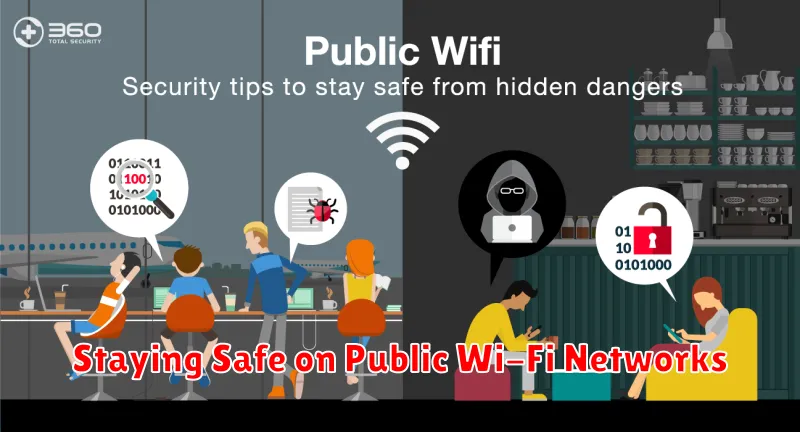
Public Wi-Fi offers convenience, but it also presents security risks for online shoppers. These networks are often unsecured, meaning your data can be intercepted by malicious actors. Therefore, it’s crucial to take precautions when accessing online stores via public Wi-Fi.
A Virtual Private Network (VPN) is your best defense. A VPN encrypts your internet traffic, creating a secure tunnel that shields your data from prying eyes. This added layer of security makes it much harder for hackers to intercept sensitive information like login credentials and credit card details.
If a VPN isn’t an option, minimize your online shopping activities on public Wi-Fi. Reserve these networks for less sensitive tasks like browsing. If you must shop, stick to websites with HTTPS in the address bar. The “s” signifies a secure connection, offering some protection for your data.
Secure Payment Options for Online Purchases
Choosing secure payment methods is crucial for safe online shopping. Credit cards offer strong fraud protection, allowing you to dispute unauthorized charges. Debit cards, while convenient, carry more risk if compromised. Consider using a virtual credit card number, a temporary number linked to your actual account, for added security.
Digital wallets, such as Apple Pay or Google Pay, offer a secure way to store your card information and make payments without directly exposing your card details to the merchant. Third-party payment processors like PayPal act as intermediaries between you and the seller, adding an extra layer of security. These processors often encrypt your financial information and offer buyer protection policies.
When available, opt for payment methods that utilize two-factor authentication. This adds an extra security step, usually requiring a code sent to your phone or email, to verify your identity and authorize the transaction.
