
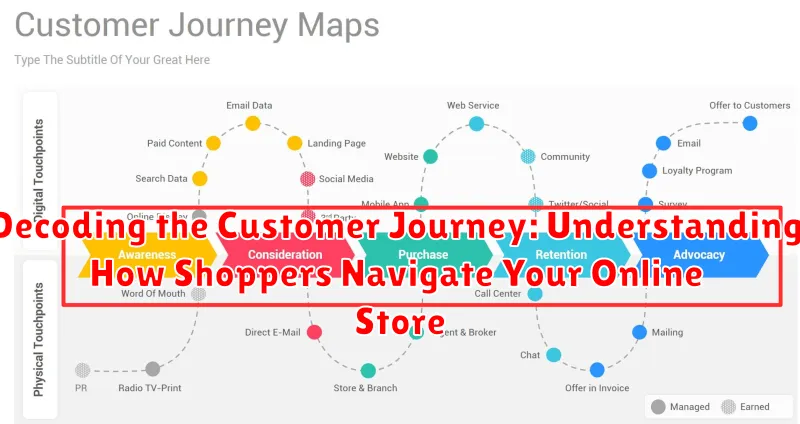
In today’s competitive e-commerce landscape, understanding the customer journey is paramount to success. Decoding this journey, which encompasses all the touchpoints a shopper interacts with from initial awareness to post-purchase, is crucial for optimizing your online store. This article delves into the intricacies of the customer journey, providing valuable insights into how shoppers navigate your online store and identifying key opportunities for improvement. By understanding how customers interact with your business, you can tailor your online store experience to meet their needs and ultimately drive conversions.
From the initial search query to final purchase confirmation, we will explore the various stages of the customer journey within your online store. We will analyze how shoppers discover your products, research their options, evaluate alternatives, and ultimately make a purchase decision. By decoding these steps, you can identify potential pain points and optimize each stage of the customer journey to create a seamless and engaging experience for your shoppers. Understanding the nuances of how customers navigate your online store is key to enhancing customer satisfaction, increasing sales, and fostering long-term loyalty.
What is the Customer Journey?
The customer journey is the complete sum of experiences that customers go through when interacting with your business. It’s not just a single touchpoint, but rather the entire process from initial awareness to post-purchase engagement and beyond. Understanding this journey is crucial for optimizing your online store and building lasting customer relationships.
Think of it as the path a shopper takes, beginning with recognizing a need and ending with (hopefully) becoming a loyal advocate for your brand. This journey isn’t always linear; customers might loop back, skip stages, or exit at any point.
A well-defined customer journey map helps you visualize these steps, revealing key interactions and potential pain points.
Mapping the Stages of the Customer Journey
Mapping the customer journey involves identifying the key steps a customer takes, from initial awareness to post-purchase. While journeys vary, a common framework includes these core stages:
1. Awareness:
The customer recognizes a need or problem. They begin researching potential solutions.
2. Consideration:
The customer evaluates different brands and products that address their needs. They compare features, benefits, and prices.
3. Decision:
The customer selects a product and makes a purchase. This stage includes adding to cart, checkout, and payment confirmation.
4. Action/Retention:
After purchase, the customer interacts with the product or service. This stage includes usage, customer support interactions, and potential repeat purchases. Building loyalty and encouraging advocacy are key goals here.
Understanding Customer Needs at Each Stage
Effectively addressing customer needs throughout their journey requires a nuanced understanding of their motivations and pain points at each touchpoint. By recognizing these distinct needs, you can tailor your approach and optimize conversions.
Awareness Stage Needs:
At this initial stage, customers are experiencing a problem or have an unmet need. They’re seeking information and potential solutions. Clarity and discoverability are crucial. Provide concise, informative content that helps them identify their problem and understand how your store might offer a solution.
Consideration Stage Needs:
Now aware of potential solutions, customers are evaluating different options. They need detailed information about your products or services, including features, benefits, and pricing. Credibility and trust are paramount. Showcase reviews, testimonials, and expert opinions to build confidence in your offerings.
Decision Stage Needs:
Customers are ready to purchase but may still have lingering doubts. Ease of purchase, security, and excellent customer service are vital at this stage. Streamline the checkout process, offer various payment options, and provide readily accessible support channels.
Action Stage Needs:
Post-purchase, customers require a seamless delivery experience and continued support. Provide order tracking, prompt shipping, and clear return policies. Personalized follow-up communications can foster loyalty and encourage repeat purchases.
Optimizing Your Online Store for the Customer Journey
Optimizing your online store for the customer journey involves strategically aligning your website elements with each stage of the shopper’s experience. This ensures a seamless and positive interaction, ultimately driving conversions.
Awareness Stage: Focus on clear messaging and easy navigation. Ensure your site is easily discoverable through search engine optimization (SEO).
Consideration Stage: Provide detailed product information, high-quality images, and customer reviews to build trust and address potential concerns. Comparison tools can also be beneficial at this stage.
Decision Stage: Streamline the checkout process. Offer various payment options and ensure a secure transaction environment. Clear calls-to-action are crucial.
Action Stage: Provide order confirmations and shipping updates. A personalized thank you message can foster a positive post-purchase experience.
Advocacy Stage: Encourage reviews and social sharing. Loyalty programs and exclusive offers can incentivize customers to become brand advocates.
Using Data to Analyze the Customer Journey
Analyzing the customer journey relies heavily on data. Data analysis provides crucial insights into how customers interact with your online store, allowing you to identify pain points, optimize conversion rates, and personalize the shopping experience.
Website analytics platforms are essential tools for this process. These tools track key metrics such as traffic sources, bounce rates, time spent on page, and conversion rates. By examining this data, you can pinpoint areas of improvement in your online store’s design and functionality.
E-commerce tracking provides further granular data on product views, add-to-carts, and purchases. This data helps understand product performance and customer preferences. Analyzing this data alongside website analytics offers a holistic view of customer behavior.
A/B testing is another valuable technique. By experimenting with different versions of web pages, you can determine which designs and content resonate most effectively with your target audience. This data-driven approach ensures continuous optimization and improved customer experience.
Personalizing the Shopping Experience
In today’s competitive e-commerce landscape, personalization is no longer a luxury, but a necessity. Customers expect brands to understand their individual preferences and cater to their specific needs.
Personalization can take many forms, from product recommendations based on browsing history to targeted email campaigns showcasing relevant items. By leveraging data such as past purchases, demographics, and on-site behavior, businesses can create a more tailored experience.
Dynamic content, adjusting based on user specifics, allows for a unique journey for each shopper. This can include personalized greetings, customized product displays, and special offers tailored to individual interests. Implementing these strategies can foster a sense of loyalty and encourage repeat business.
Improving Customer Retention
Retaining existing customers is often more cost-effective than acquiring new ones. A positive customer experience is paramount for encouraging repeat purchases. This involves understanding their needs and providing personalized solutions.
Loyalty programs can be effective tools for retention. Offering exclusive discounts, early access to sales, and reward points can incentivize customers to continue shopping with your brand. Personalized recommendations based on past purchase history also foster a sense of value and encourages return visits.
Excellent customer service plays a crucial role. Promptly addressing customer inquiries and resolving issues efficiently contributes significantly to satisfaction and loyalty. Providing multiple channels for customer support, such as email, live chat, and phone support, ensures accessibility and convenience. Regular communication, including personalized emails and newsletters, keeps customers engaged and informed about new products and promotions. This consistent interaction reinforces brand loyalty and top-of-mind awareness.
Customer Journey Mapping Tools
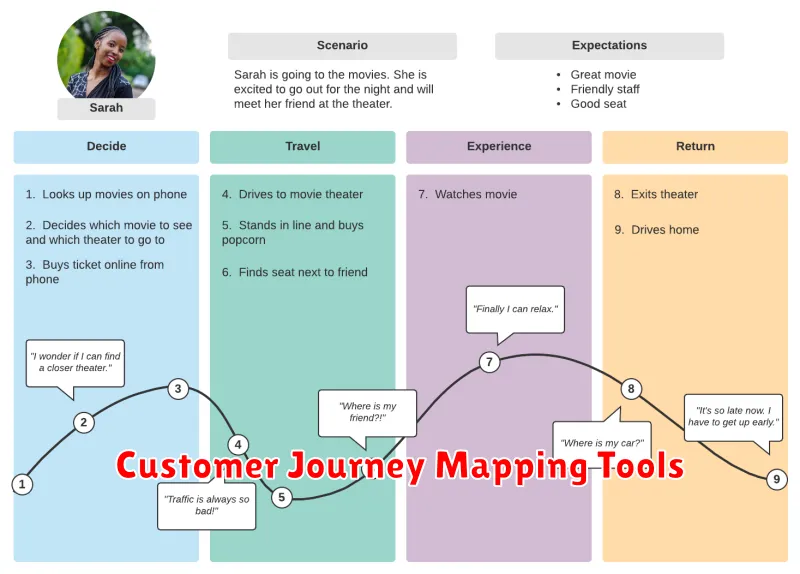
Visualizing the customer journey is crucial for optimization. Several tools exist to help businesses effectively map and analyze this process. These tools range from simple whiteboarding and spreadsheet software to sophisticated platforms with advanced analytics.
Basic tools like flowcharts and spreadsheets allow for a simple, visual representation of the customer journey stages. These are excellent starting points for businesses new to journey mapping.
More advanced tools offer features like customer persona development, touchpoint analysis, and collaboration features. Some popular options include dedicated customer journey mapping software and experience management platforms. These tools often provide data integration capabilities, allowing businesses to incorporate data from various sources for a more comprehensive view.
Selecting the right tool depends on the complexity of the customer journey, the size of the business, and the budget allocated for mapping. Regardless of the tool chosen, the goal remains the same: to gain a clearer understanding of the customer experience and identify areas for improvement.
Boosting Conversions through Customer Journey Optimization
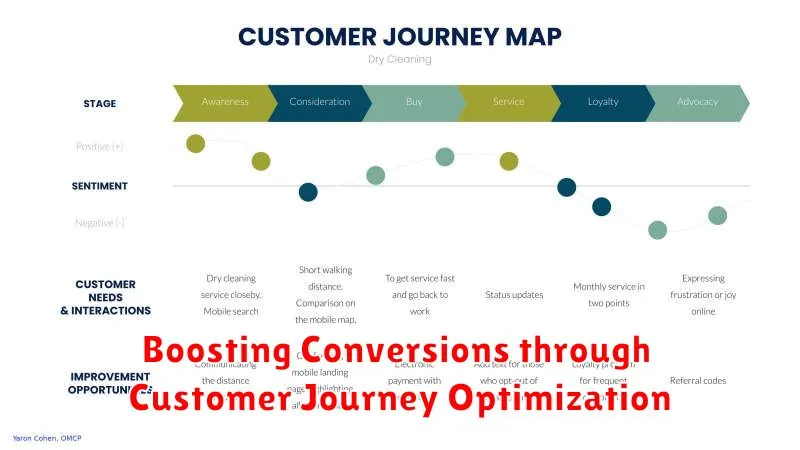
Optimizing the customer journey is crucial for increasing conversions. By understanding and addressing pain points, businesses can create a seamless and positive experience that encourages shoppers to complete their purchase.
A/B testing is a valuable tool in journey optimization. Testing different versions of website elements, like call-to-action buttons or page layouts, allows businesses to identify what resonates most with their target audience and drives conversions.
Personalized recommendations, based on browsing history or past purchases, can significantly influence purchasing decisions. By showcasing relevant products, businesses can increase the likelihood of a conversion.
Streamlining the checkout process is essential. A complicated or lengthy checkout can lead to cart abandonment. Simplifying forms, offering multiple payment options, and providing clear shipping information can all contribute to a higher conversion rate.
